Secondhand Soup Cubes and a Week of Steady Walking
Budgeting & Saving [email protected] (Belinda) 426 reads
A secondhand find, a batch-cooked soup and a week of outdoor walking show how small, repeatable habits can stretch a household budget.

Some of the most useful money habits are the least glamorous ones. This week's example is a $2 set of freezer containers, a pot of soup and a lot of walking. None of it is dramatic, and that's exactly why it works.
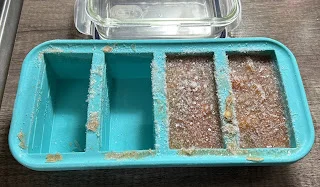
Secondhand containers do real work
The star of the week is a set of Souper Cubes, which the writer bought used for $2.00 each. These silicone trays let you freeze soup, stock or sauces in measured blocks, and the writer uses hers to portion soup into exactly one cup per cube.
Buying used kitchen gear is one of the easier ways to cut costs, since it's often barely touched and sellers tend to price it low. The trade-off is that you'll want to check for tears, warping or residue before you trust a container with food. Used silicone is usually fine after a thorough wash, but it's worth a look.
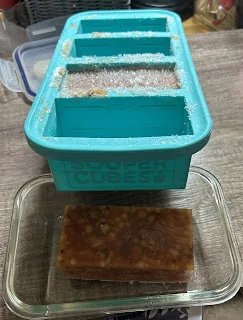

Batch cooking that's easy to repeat
The soup comes from a Blue Zones-style Sardinia minestrone recipe, made in an eight-quart Instant Pot. Once the pot is full, the work is mostly done. The soup gets divided into cubes, frozen, and one portion comes out each day to go with whatever else is on the lunch plate.
Here's the thing: a big pot of soup only saves money if it actually gets eaten. Freezing in single portions cuts down on waste, because you never thaw more than you'll use. It also takes lunch decisions off the table on busy days, which is where a lot of takeout spending quietly happens.

The writer had finished her last batch and was soaking beans for the next one. Dried beans are usually one of the cheapest sources of protein per serving, and soaking them overnight is a small habit that makes the cooking go faster. If you're new to this, a simple way to start is to cook one pot a month and see how quickly the freezer empties.
Dairy, plant-based eating and what fits
The writer's recipe is plant-based, and she credits that way of eating, along with a low-carb approach, as part of her weight-loss progress. She's also clear that she doesn't stick to plant-based only. She eats non-fat Greek yogurt most mornings for calcium, since she's managing osteoporosis, and she's tried plant-based yogurts without liking them.

That's a useful reminder that food advice online often comes as all-or-nothing. Eating patterns are personal, and what works depends on health needs, taste and what you can keep doing week after week. If you're managing a condition like osteoporosis or diabetes, your own healthcare team is the right place to decide what your plate should look like. This is general information, not medical guidance.
Steps, miles and a walking routine
The week also included physical therapy, eye injection appointments and a lot of time outside. The writer's best day was Wednesday, with 20,755 steps. By her conversion of 2,000 steps to one mile, that's roughly ten miles, much of it on a walking track after a therapy session.
Walking is one of the few habits that costs almost nothing and fits into a tight schedule. A two-hour walk needs no gym membership and no equipment. If step counts feel like a lot, you don't need to hit a big number to benefit. Breaking a walk into two shorter outings across the day is a practical way to build the habit without burning out.
What to take from a quiet week
Nothing in this week's routine is a windfall. There's no investment tip and no shortcut, just a used set of containers, a repeatable recipe, a freezer full of lunches and regular movement. Each piece saves a little time, a little money or a little effort, and together they add up.
If you want to try something similar, pick one habit for the next two weeks. It might be a single batch-cooked pot, a used kitchen tool you've been eyeing, or a daily walk around the block. Track what you actually use, and adjust from there. The small wins are usually the ones that stick.