Gift Ideas for Book Lovers: Empathy, Hope and Money Smarts on the Shelf
Budgeting & Saving femmefrugality 743 reads
A year of library borrowing and a reading list spanning animal senses, labor history and hope. Here's what stood out, plus tips for buying books on a budget.
Holiday shopping for a reader is easier when you know which books actually held up after the last page. Over the past year, one reader worked through a short list of titles, borrowed most of them for free, and came away with a handful worth buying as gifts. Some are lighter than others. A few are demanding. All of them come with a clear note on who they suit.
Borrow first, buy the keepers
Libraries are the cheapest way to test a book before committing to it. Many public library systems offer digital lending through apps such as Libby, so you can read on a phone or tablet wherever you are. Students can often stretch that further. If you're quick off the mark, you may be able to take a textbook home for a large part of the semester. If not, many libraries keep textbooks on reserve, which means you can read them in the building but not check them out.
When you've found the book you love and want your own copy, two routes make sense. Used bookstores tend to have a broad, well-organised range, and some will buy your old books in return. Don't expect much for them, though. One reader described the trade-in payout as painfully low, which is worth knowing before you clear a shelf and hope for a windfall. For new copies, independent bookshops often run holiday and Black Friday promotions. If the title you want isn't stocked locally, Bookshop.org lets you order from independent sellers online.
Books that changed how I see the world
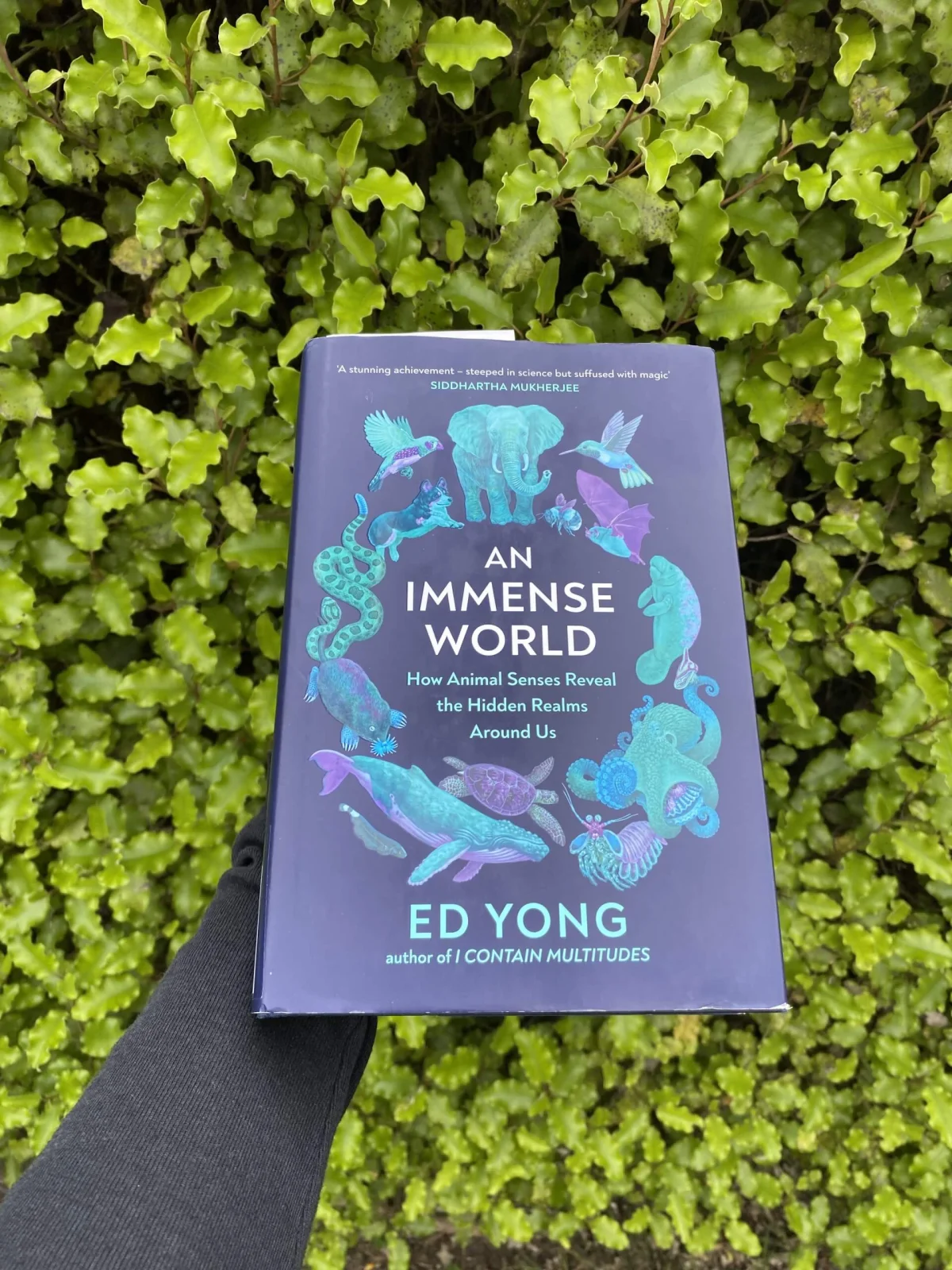
An Immense World by Ed Yong is the standout for anyone who likes big ideas told clearly. It explores how different animals perceive the same environment we share. The reader came away with a new sense of how much humans can see and hear, and how much we miss. The book pushes for deeper empathy toward other species and for changes, both personal and systemic, that cause less harm. Small takeaways stuck: think twice before killing every spider, pay attention to light pollution policy, and consider how animals' vision shapes the way you move around them. It's a good pick for curious readers who enjoy science writing with a moral edge.
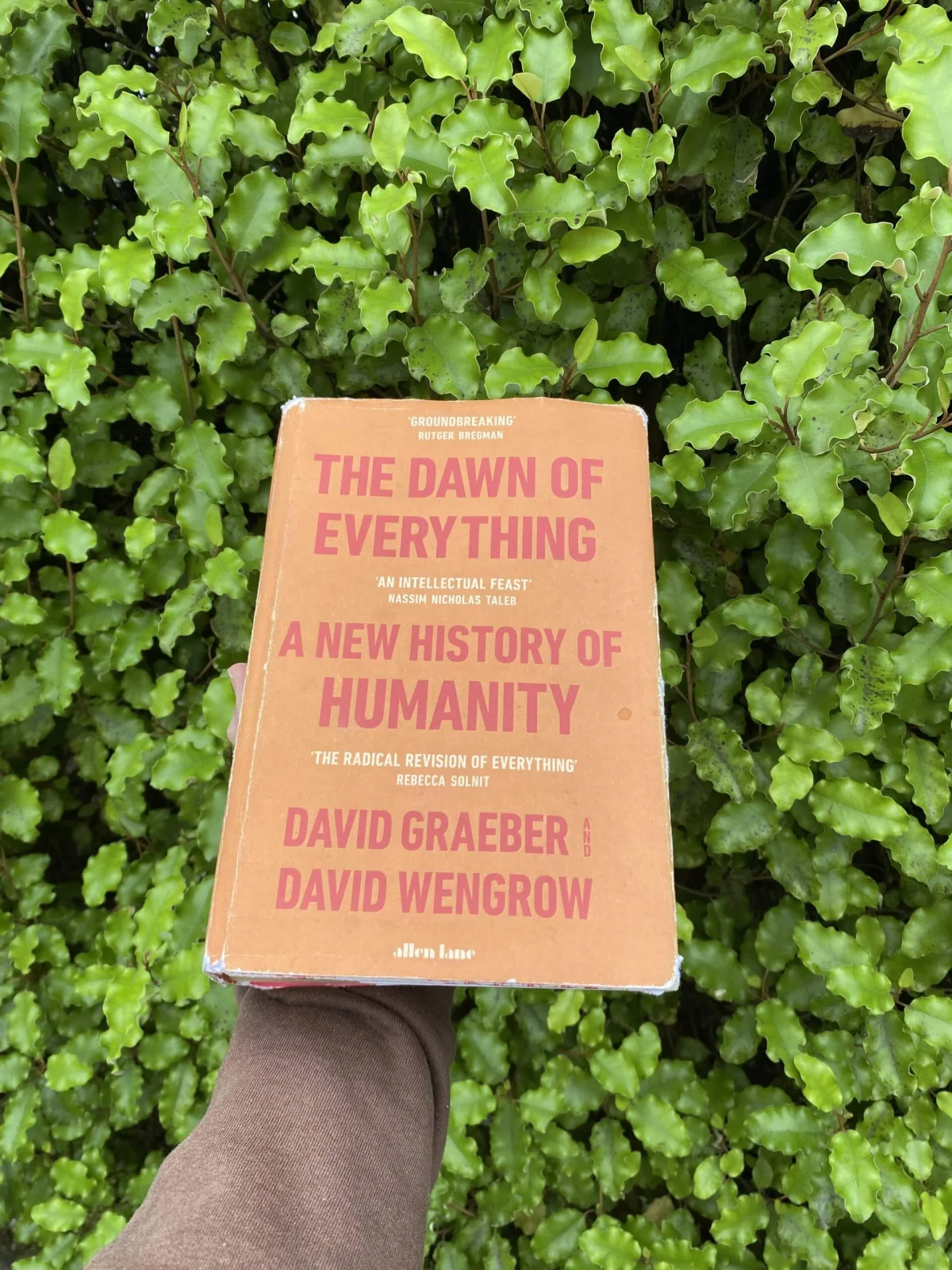
The Dawn of Everything by David Graeber and David Wengrow is a heavier read, and a rewarding one. It questions common historical stories and points out assumptions most of us never examine. The reader found it hopeful as well as critical, arguing that the past shows people can imagine and build different futures. Reading it a second time felt like reading a new book, because the ideas that stood out were different. That's a strong sign for a gift: it rewards a return visit. It's definitely a keeper for a reader who likes long arguments about how societies form.
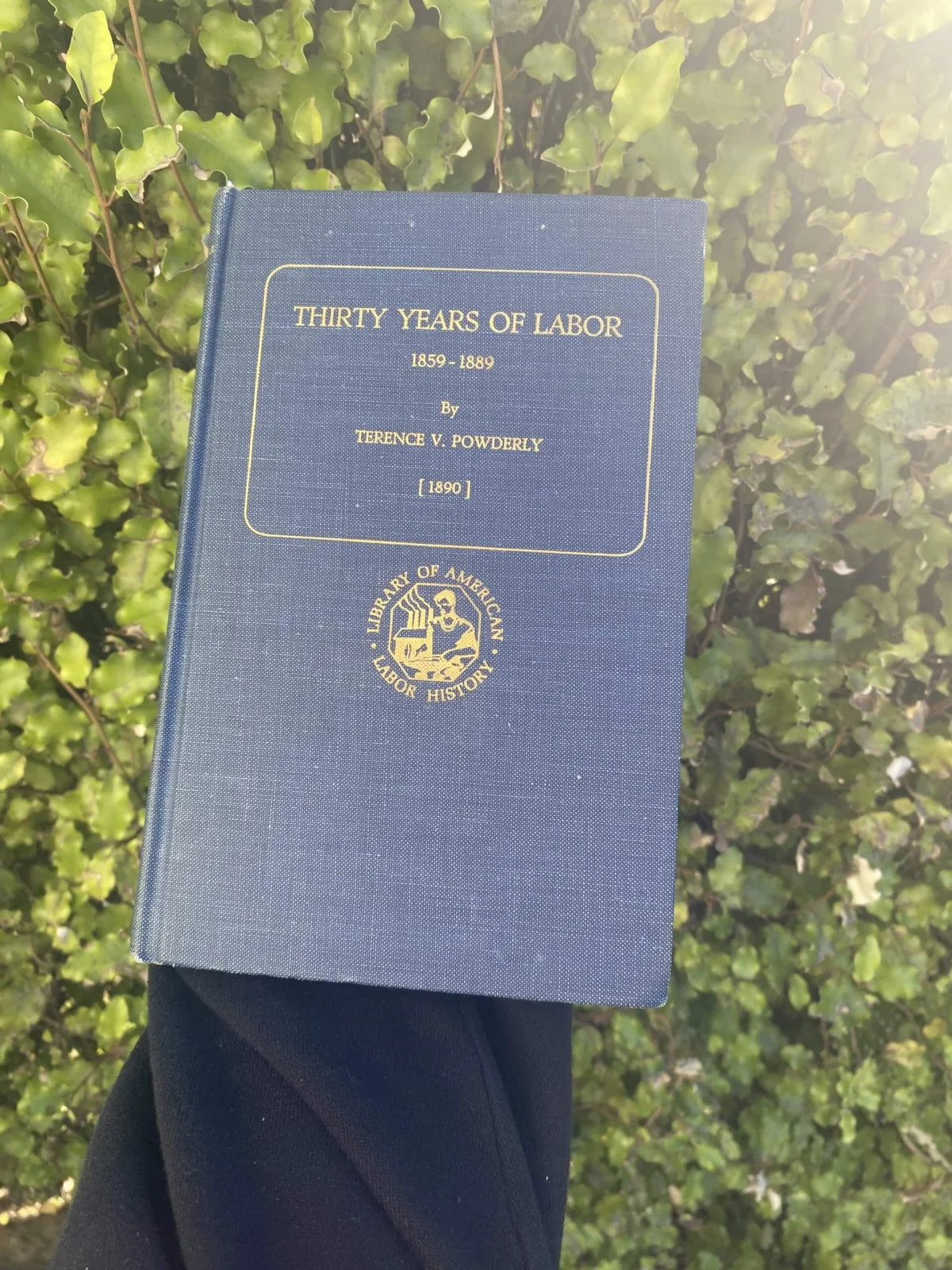
Thirty Years of Labor by Terence V. Powderly is a memoir-style history written by a 19th-century labor leader. It covers the movement from the years just after the Civil War into the turn of the century. What hit hardest was how familiar many of the arguments sound. Concerns about pay and economic fairness read as though they could have been written about today's money pressures. The takeaway is that the problems aren't new, and that remembering how earlier generations responded can make progress feel more possible. The reader plans to write about it in more depth later.
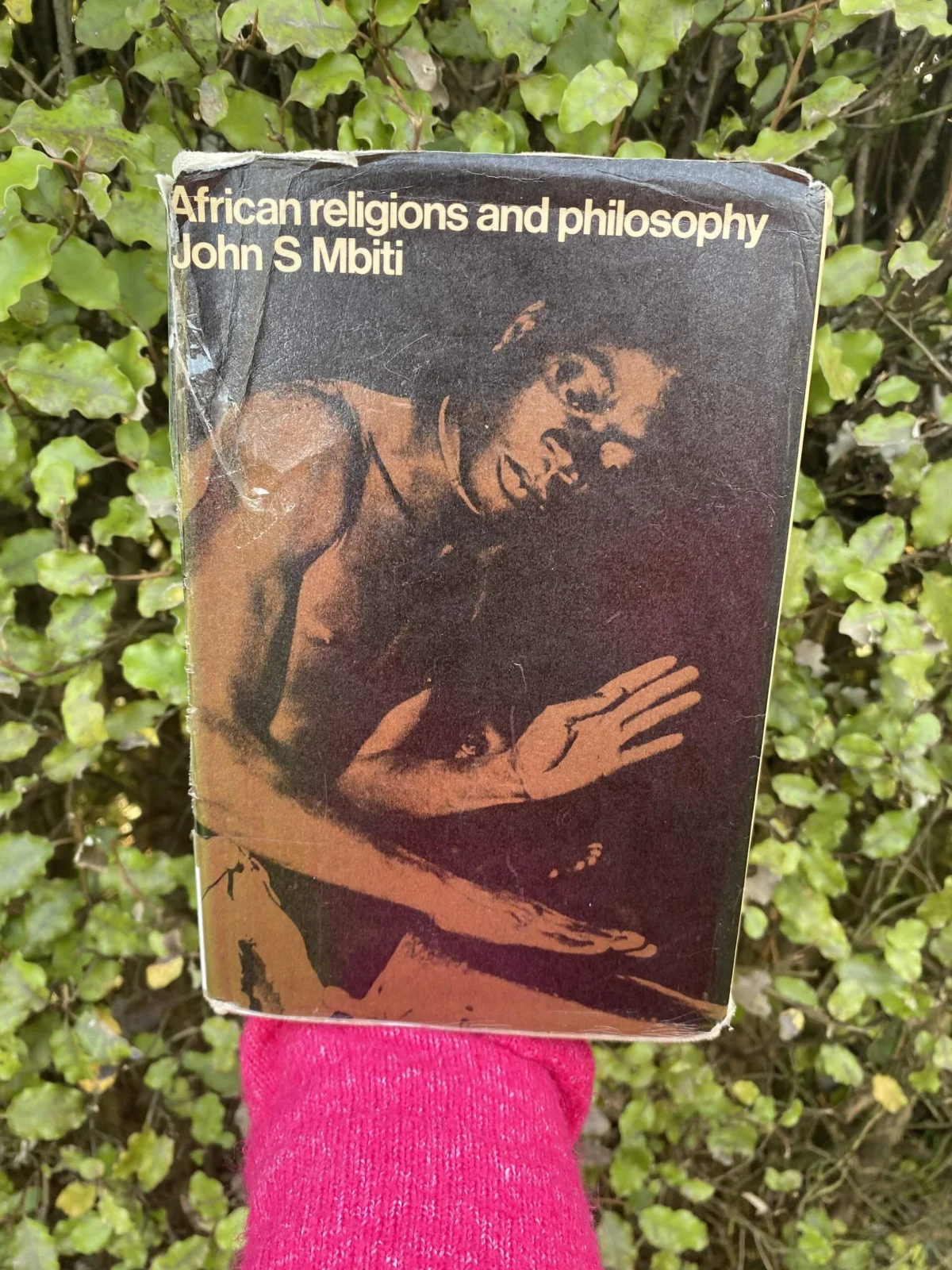
African Religions & Philosophy by John S. Mbiti was one of the year's favourites. Its central idea is time: how it moves, and how people create it rather than simply consume it. The reader came to it through an Instagram analysis rather than a bookshop browse, and the book earned a place on the recommended list. It's an approachable, thought-provoking choice for readers who like to think about meaning and time.
Harder reads and honest misses
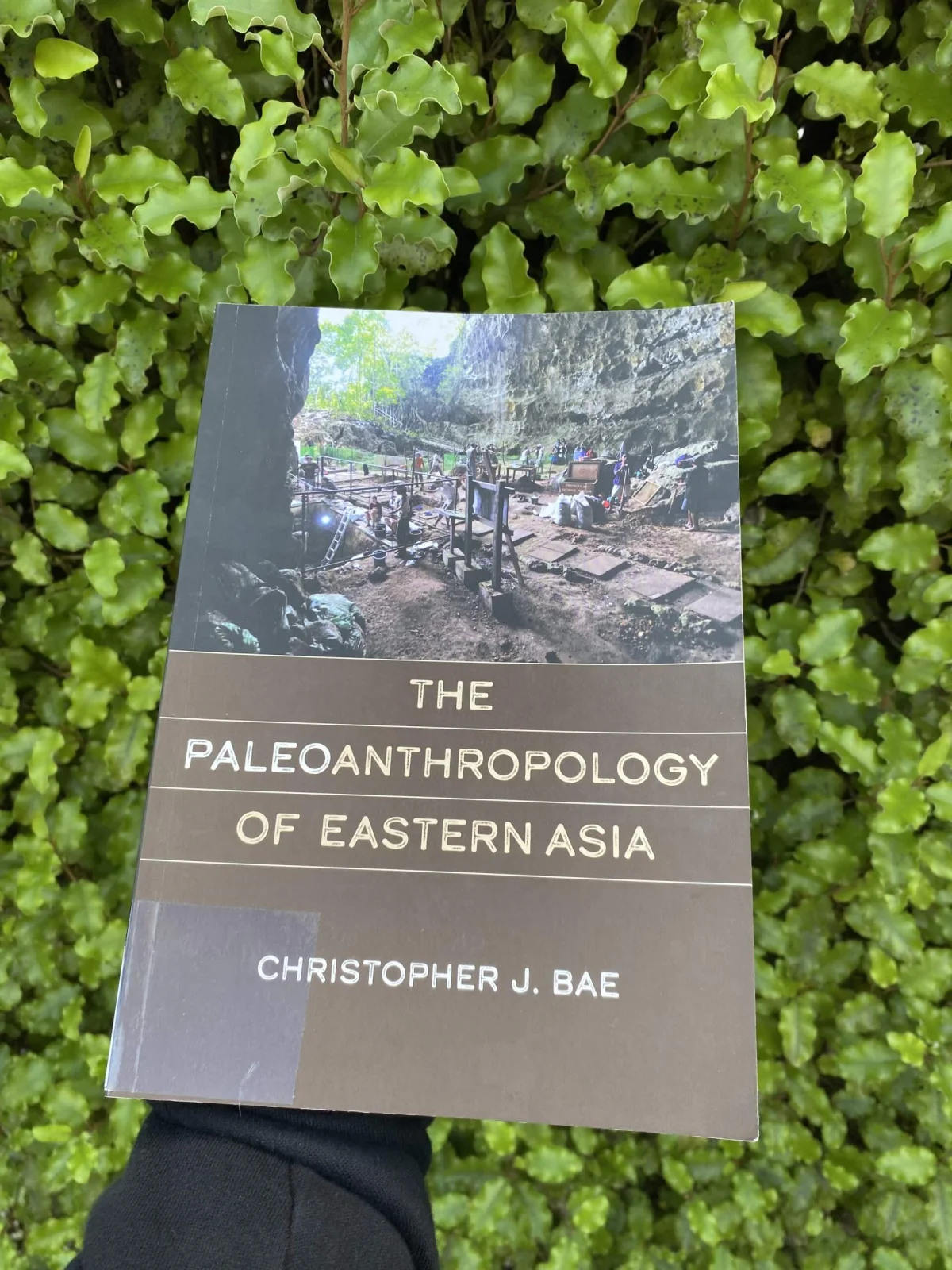
The Paleoanthropology of Eastern Asia by Christopher J. Bae is one of the few books that surveys this field in English. That matters, because much of the region's prehistory is a site of ongoing debate. The author is open about how many conclusions remain theory, and some of his own academic ideas shape the argument. Because he flags that bias openly, the book still carries weight from a leading researcher. This one suits readers who already have some background in bioanthropology. Newcomers will need to work harder, and it isn't as accessible as the author's earlier work on the Indigenous Paleolithic of the Western Hemisphere.
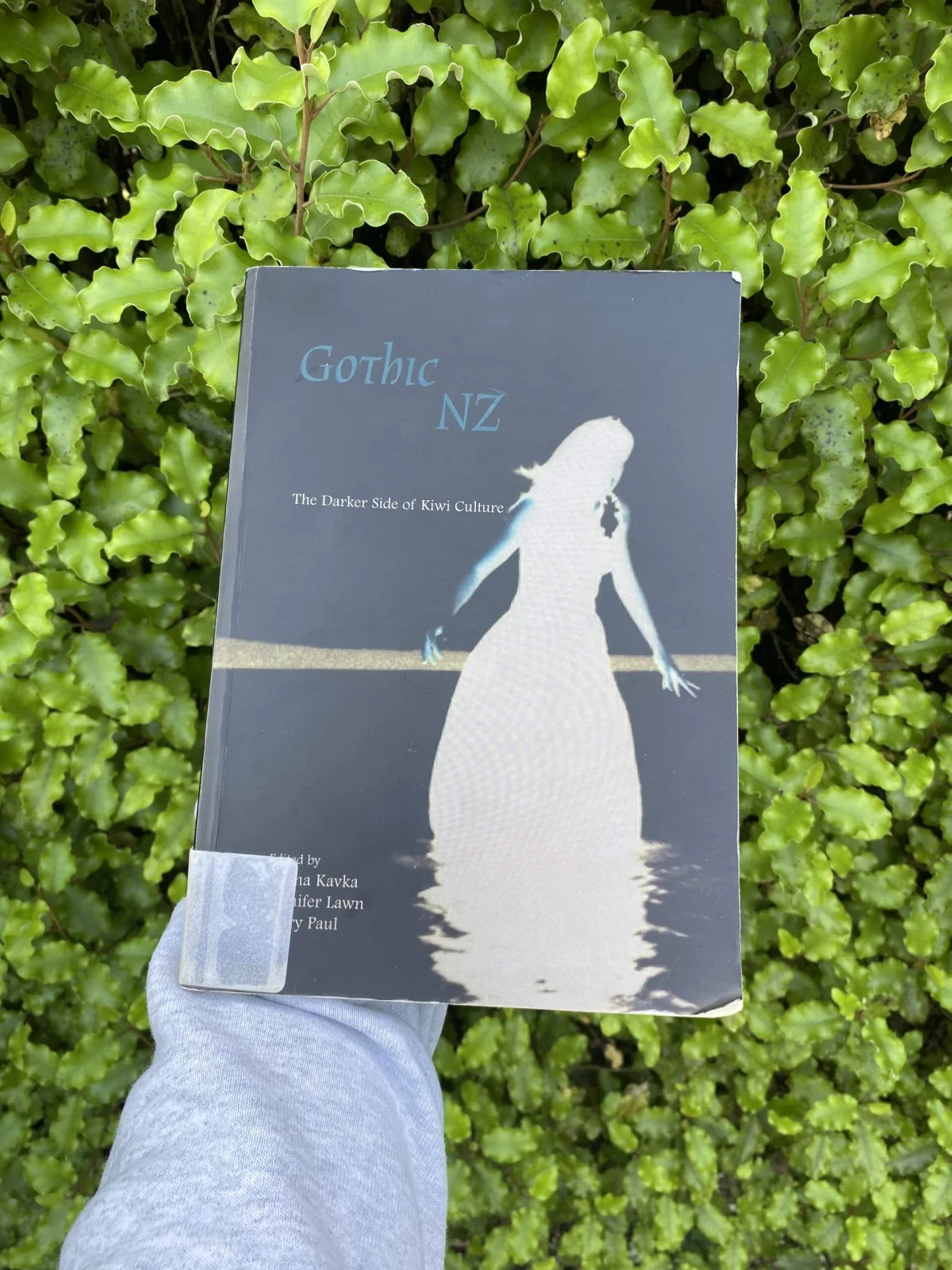
Gothic NZ is an anthology, so the quality varies from essay to essay. Its most interesting thread is the way gothic themes appear in New Zealand, where colonisation shaped much of the culture. One angle frames the constant upkeep of settler homes as an ongoing struggle against nature. Another looks at brutalist buildings, which are the subject of current debate in the country. Some preservationists want them kept as historic structures, and the book treats them as gothic in their own right: imposing, foreboding, and built to project dominance. It's a niche pick, best for readers who like architecture, culture and gothic fiction.
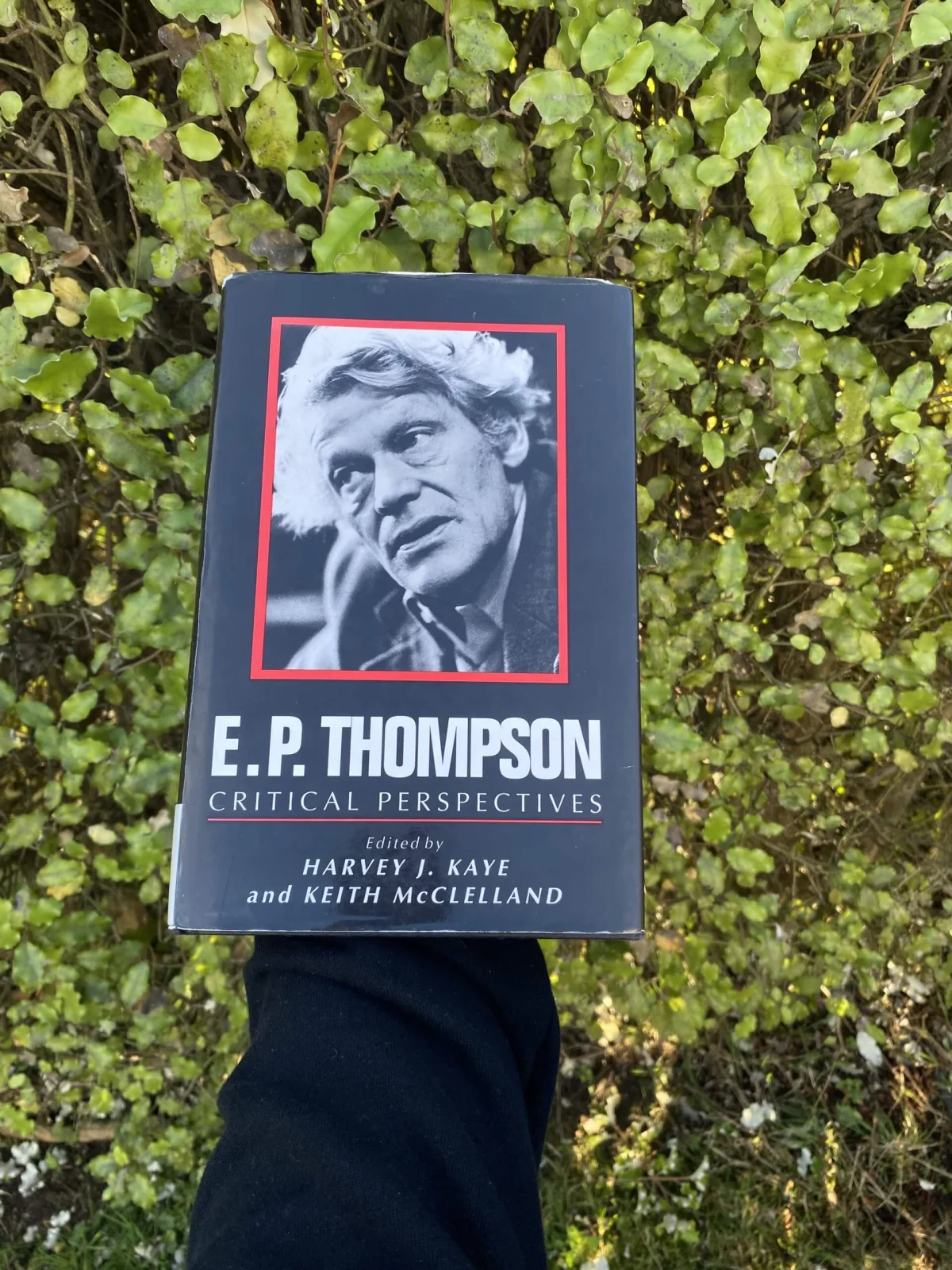
E.P. Thompson: Critical Perspectives is hard to track down and mainly useful for someone already committed to reading critiques of Thompson's work. The reader found it a cursory introduction to topics that might be explored later. Its most striking feature was the timing. It was written at the tail end of the Cold War, so it offers a window into how people were thinking about nuclear arms and the future just before the Soviet Union collapsed.
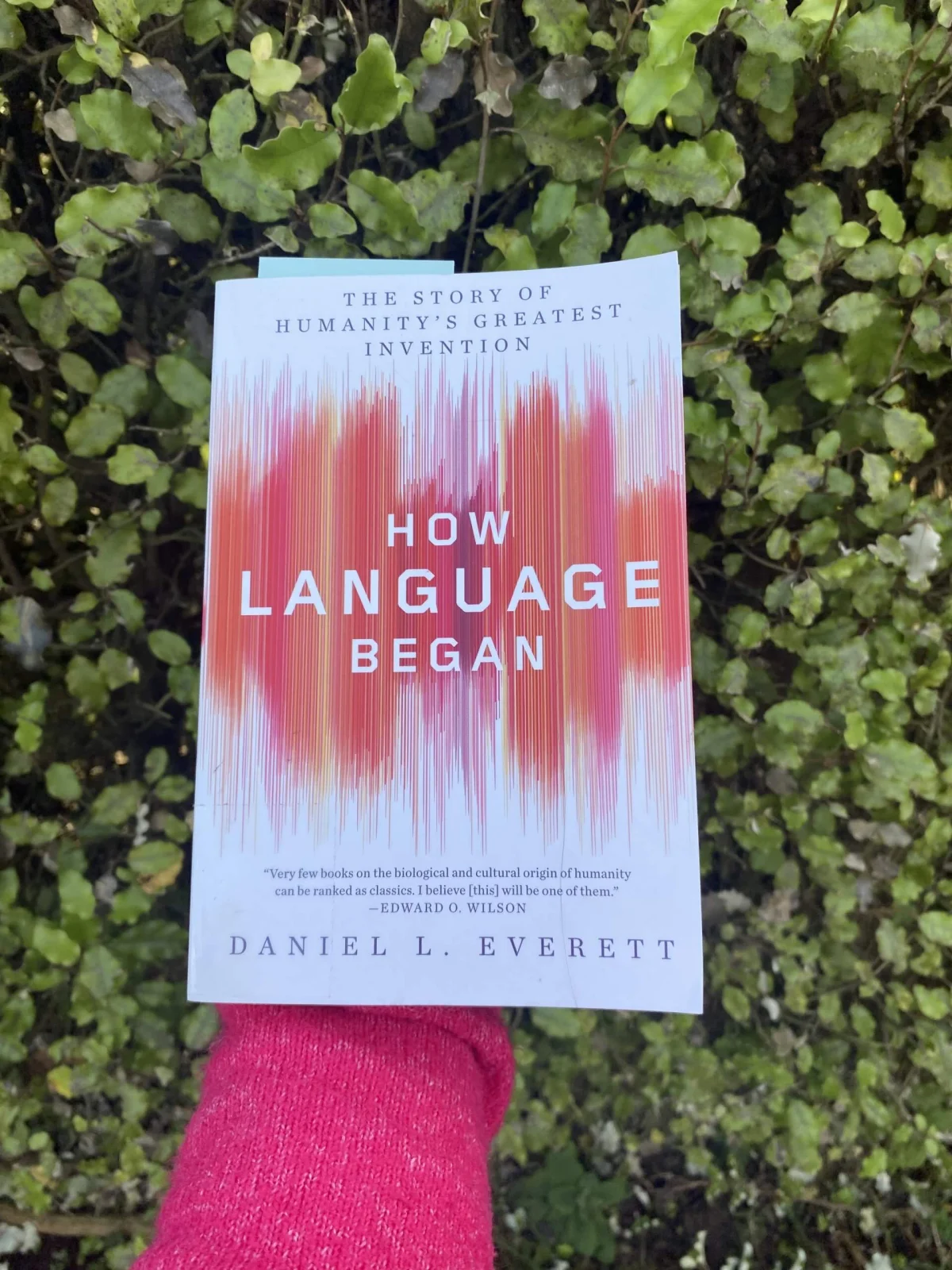
How Language Began by Daniel L. Everett was the one book the reader didn't finish. It's a rare DNF, and the reason came down to strong disagreement with the premise. The reader acknowledges the book might be excellent for someone else, and that the question it tackles may never be settled. Still, that disagreement made it hard to pick back up. If you're shopping for a gift, it's worth knowing this one can divide readers sharply.
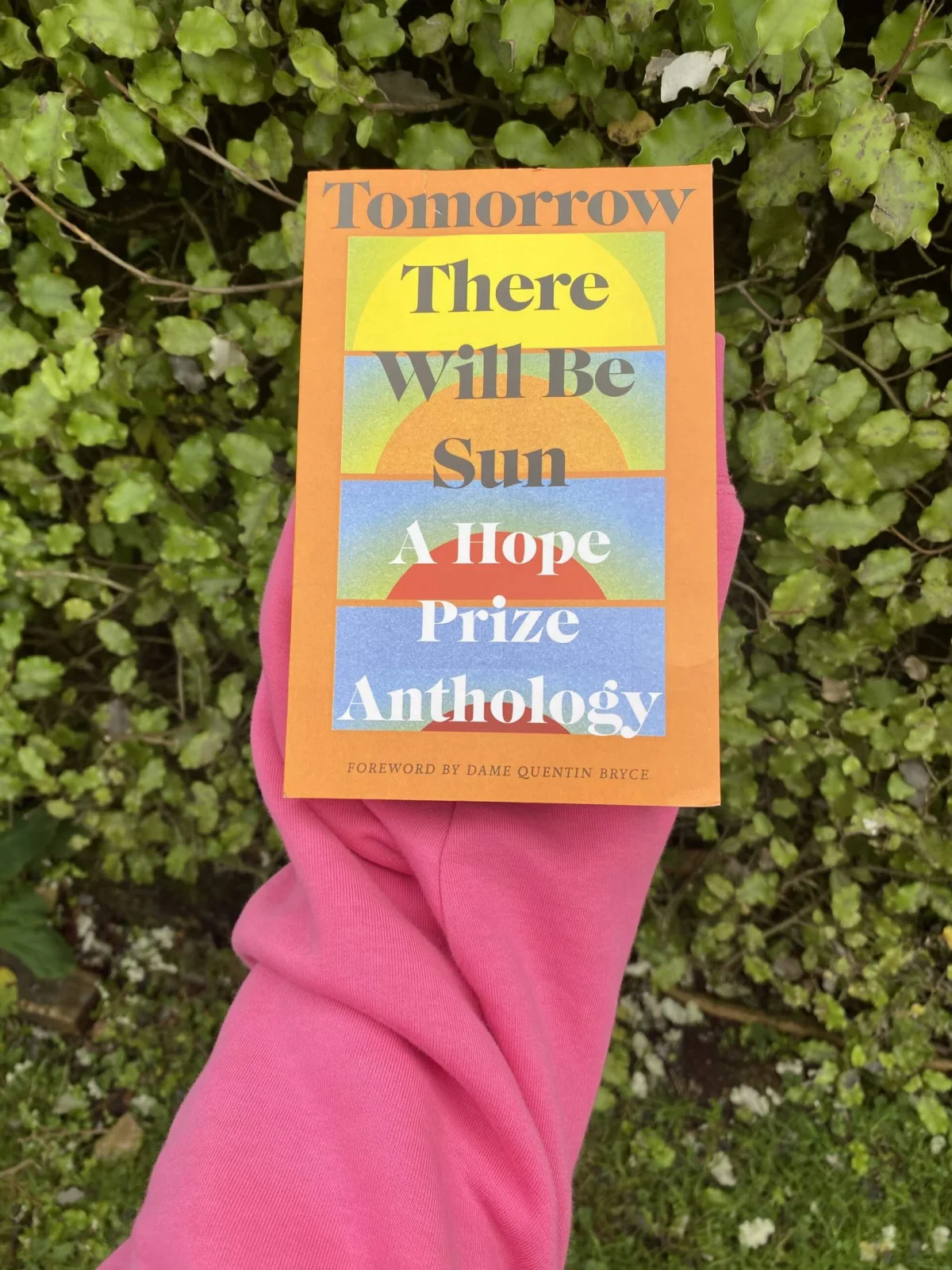
Tomorrow There Will Be Sun is an anthology of short stories that deal with hard realities, sometimes directly and sometimes through allegory. Its view of hope doesn't require everything to be bright. It lets light break through the clouds now and then, which the reader found refreshing. This one suits readers who want emotional honesty rather than cheerful comfort.
Notes on the rest of the list
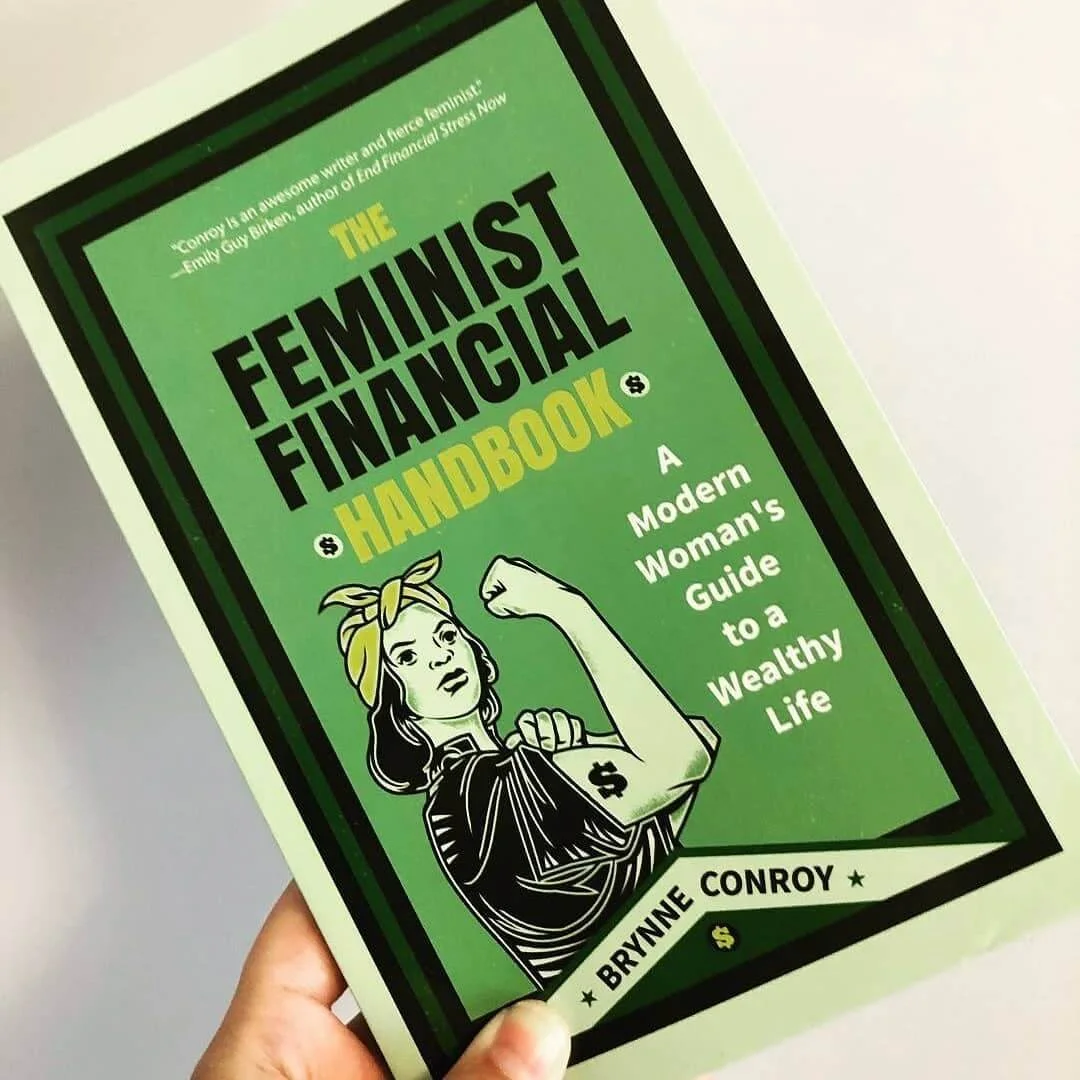
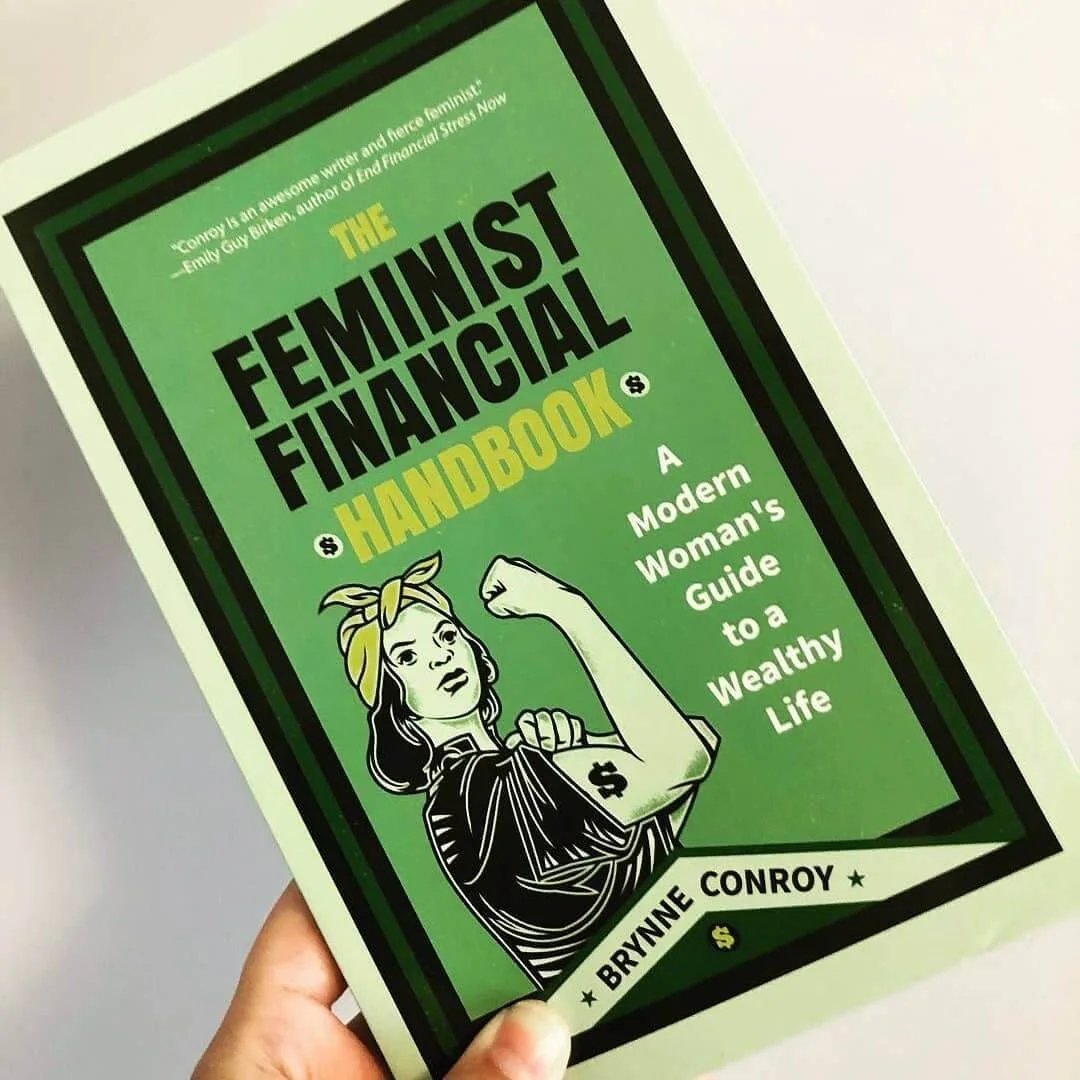
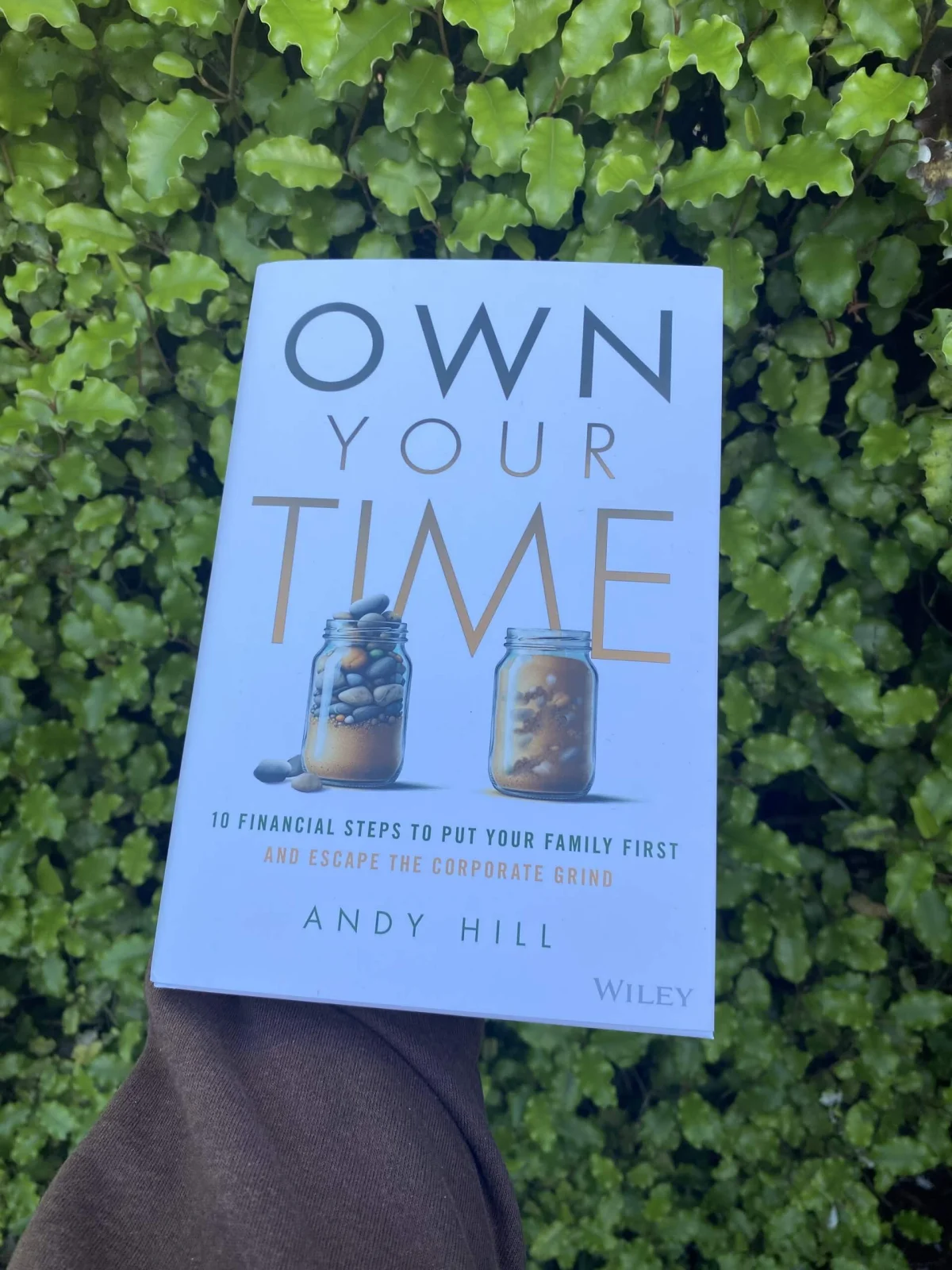
Own Your Time by Andy Hill is a money book the reader would happily recommend. It's one of the few titles here that speaks directly to personal finance, and it's a natural gift for anyone interested in managing time and money together. The Feminist Financial Handbook is also a strong pick for readers who are new to Femme Frugality, and it's the book the reader hopes gift-givers will consider.
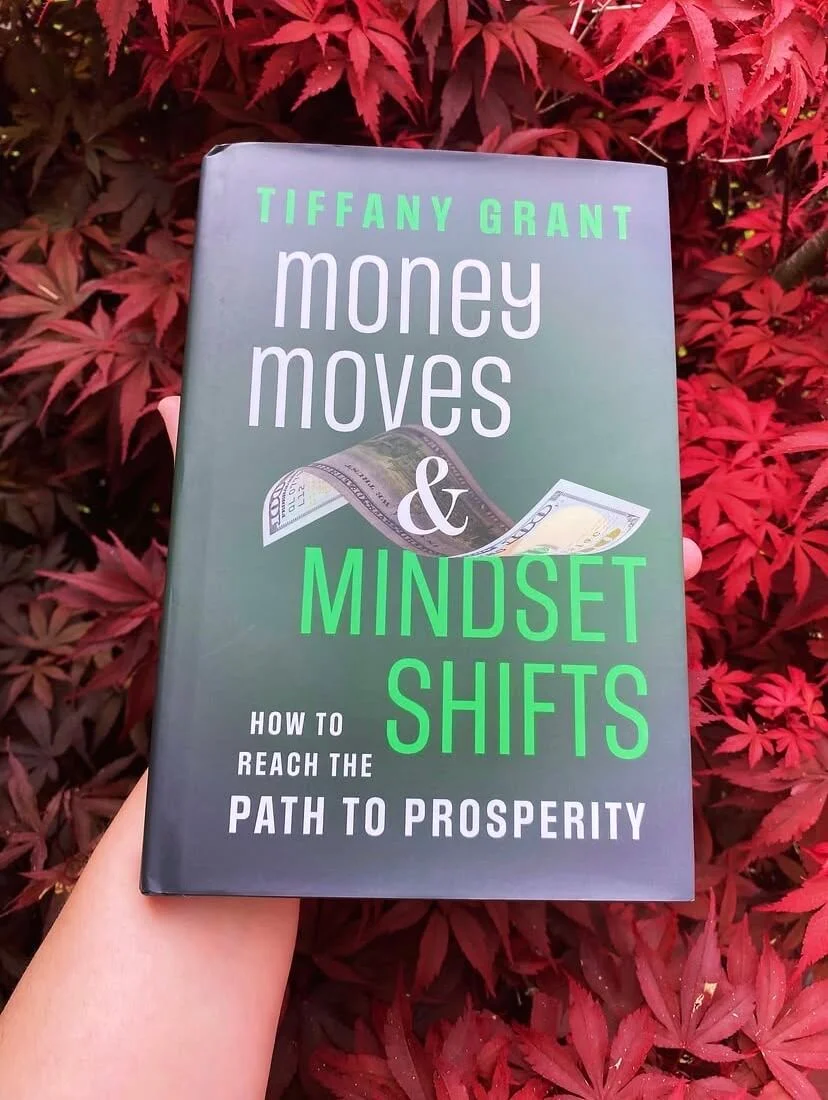
Two books sit on the to-read pile. Money Moves & Mindset Shifts by Tiffany Grant just arrived, and the reader plans to finish it before the new year. Anyone who wants to read along is welcome to join.
Where to start
If you're buying for one reader, start with the subject they already love. For curious minds who enjoy science and big ideas, An Immense World is hard to beat. For anyone who likes history with a hopeful edge, The Dawn of Everything and Thirty Years of Labor pair well. For money-focused readers, Own Your Time and The Feminist Financial Handbook make sense. And if the budget is tight, check the library first. You can borrow many of these titles, see which ones you revisit, and then buy the ones you'd want on your own shelf. That approach keeps the gift list honest and the spending sensible.