A Five-Day Mouse-Free Stretch Didn’t Last: A Practical Plan for Traps and Pantry Storage
Budgeting & Saving Anita 866 reads
One new catch reset the five-day count. The plan: keep baited traps in likely spots and replace contaminated pantry containers with washable ones.
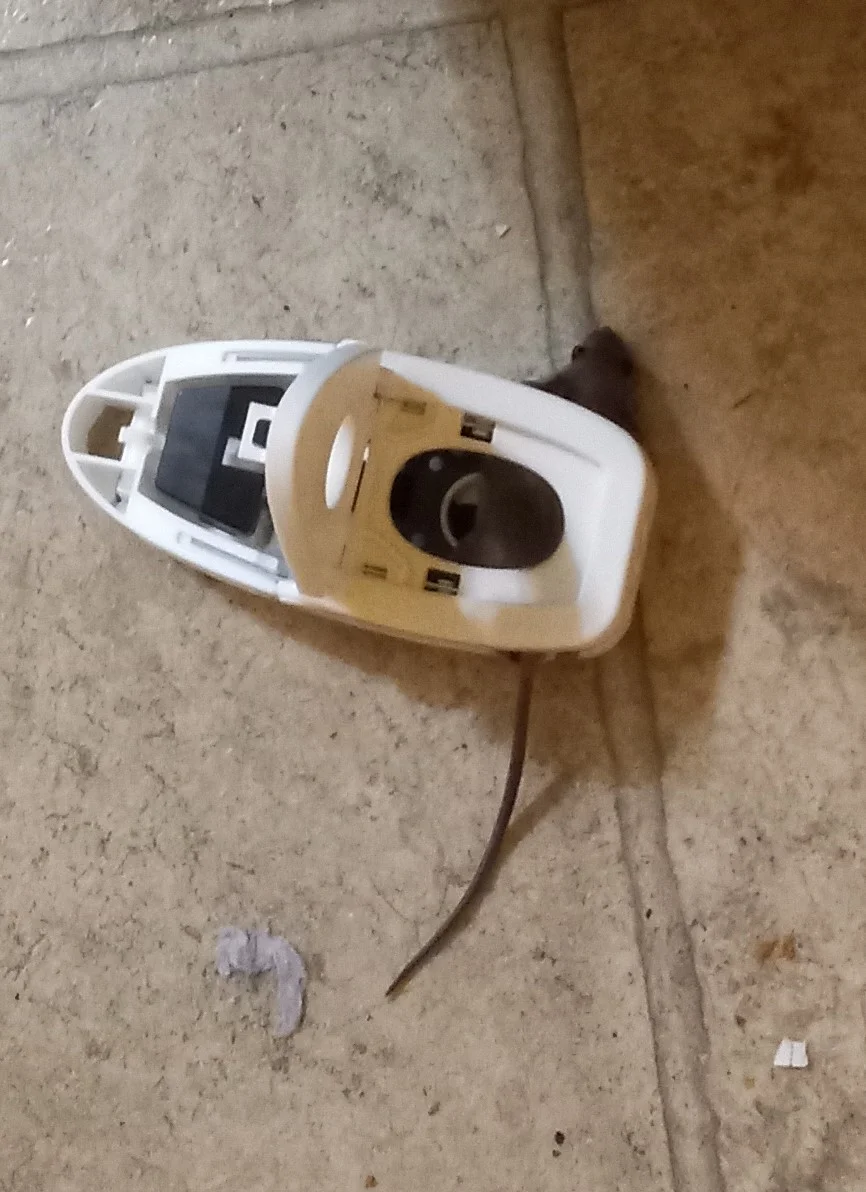
A quiet stretch of a few days can feel like the end of a mouse problem, but one catch can reset the clock. After setting a five-day target based on a pest-control rule she had read about, Anita caught another mouse before the count was up. Her experience points to a practical distinction: five days without signs may mark a pause, while continued monitoring helps show whether activity has actually stopped.

Why five quiet days may not settle it
The five-day rule she encountered treats a home as mouse-free after five consecutive days without evidence of mice, at which point an exterminator’s job is considered finished. Anita was skeptical that the quiet period would mean lasting protection. In her view, mice could return by following scent trails left by earlier visitors.

That concern shaped her plan. She intended to keep baited traps set throughout the year, placing them near the furnace, beside the kitchen stove, in a quilting studio and at two spots in the pantry. She suspected the furnace area might be an entry point. The other locations reflect places where food, nesting material or shelter may be accessible: she noted that mice can get into stoves and that batting used for quilting can serve as nesting material.

She also planned to replace the bait every seven to 14 days because the gel can dry out. That interval is her intended maintenance schedule, based on the product’s tendency to lose moisture. A trap that remains in place but has dried bait may not work as intended, so checking it regularly is part of the routine.
Pantry cleanup depends on safe storage afterward
Anita had not yet cleaned the pantry after finding mouse mess there. When she needed a jar or can, she sprayed the outside with peroxide and washed it with hot, soapy water before opening it. She described peroxide as a less toxic substitute for bleach. She had also recently opened a jar of homemade ham and bean soup, which she enjoyed and hoped to make again.

Her hesitation about cleaning the shelves was tied to what would happen next. The canning jars were stored in cardboard containers she considered contaminated with droppings, urine and mold. Washing each jar only to return it to those containers would leave the underlying storage problem unresolved.

She wanted to replace the cardboard with plastic containers that could be cleaned and sanitized regularly. Simply placing jars on the pantry shelves was not a workable option in her home: trains passing behind the house cause the building to shake, and jars could fall and break. The storage choice therefore needs to address both sanitation and the risk of damaged glass.

Once she had suitable containers, she planned to make their cleaning part of her canning routine. After using a tray of jars for canning, she would wash the tray before putting it away. This connects the pantry cleanup to an ongoing habit rather than treating it as a one-time chore. At the time, she believed she had found a possible replacement for the cardboard and planned to share more about it later.

A new catch changes the plan
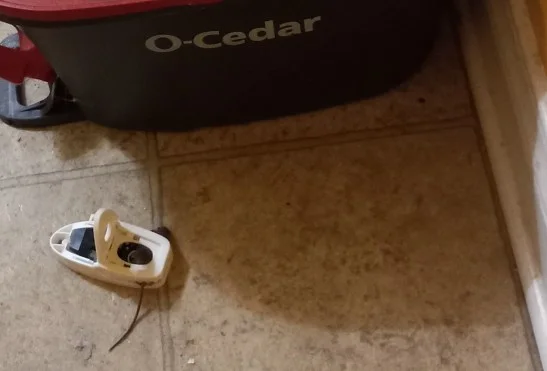
Before the five-day stretch was complete, Anita caught another mouse. The trap had shifted about a foot from the baseboard where she had placed it, though she couldn’t work out why. The catch meant her hoped-for quiet period had not yet arrived.

In a later comment, she said she had caught three more mice, followed by one night with no catches. That sequence offers a useful reminder for anyone relying on a short period without activity: a single quiet night is encouraging, but it doesn’t establish that the problem has ended. Keeping track of catches and continuing to check traps can make changes in activity easier to spot.
Make the routine fit the home
The plan described here combines monitoring with a storage change. Traps are positioned near suspected routes and places that could attract mice; bait is checked on a schedule; and pantry containers are being reconsidered so they can be cleaned without putting jars at risk from shaking shelves.
Those steps take time and upkeep. Year-round traps mean regular checks, while replacing pantry containers requires choosing storage that fits both the jars and the household’s conditions. Anita’s account doesn’t establish that any one measure will prevent mice from returning. It does show why a five-day count can be only one checkpoint: a new catch, dried bait or contaminated storage can each call for another practical adjustment.
For her, the next useful milestone was not simply reaching five days without a catch. It was getting washable pantry containers in place, keeping the traps maintained and watching for signs of renewed activity. That combination leaves room to respond if the quiet spell doesn’t last.