Food Rescue: Turning Donated Groceries Into Meals and Pantry Staples
Budgeting & Saving Anita 537 reads
A large October food donation became shared meals, frozen fruit and pantry stores, with plenty of preparation and canning work along the way.
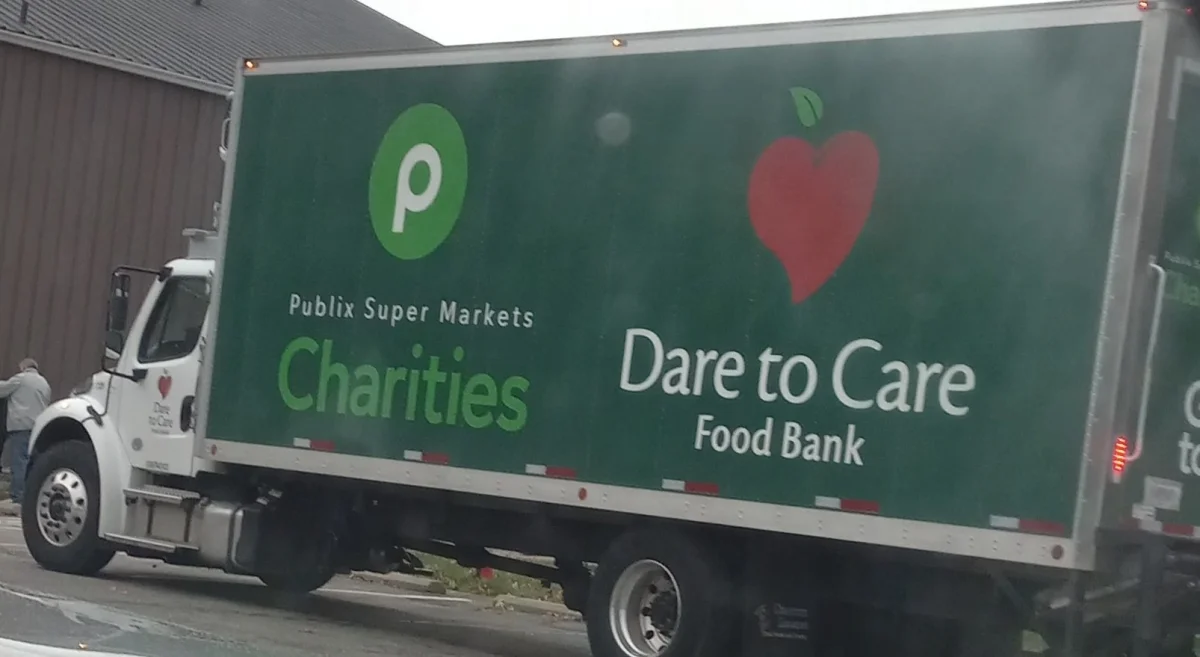
Large food donations can ease a grocery budget, but they arrive with a practical challenge: fresh food won’t wait while a household decides what to do with it. Anita’s October food rescue brought home potatoes, bananas, chickpeas, precooked chicken and 20 pounds of mandarin oranges. She shared some of it, froze some and spent much of the week preserving the rest.
Share what you can’t use
Two 10-pound bags of potatoes went to a church food pantry. Anita had bought a 10-pound bag the week before, so keeping another 20 pounds would have been more than she needed. She plans to freeze some of her own potatoes as single-serving portions of potatoes O’Brien and country fries.

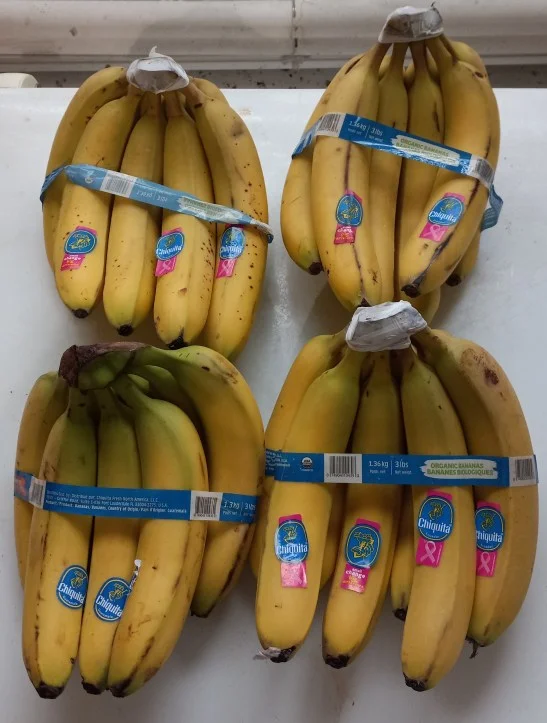
The bananas also went beyond one household. Four bunches arrived, each weighing about three pounds. Anita passed two bunches to her brother-in-law and one to a friend, then froze some of the remaining fruit for smoothies. One banana went into a small loaf of banana nut bread made for one person.


That mix of sharing and storing is useful when a donation comes in quantities that are hard to finish quickly. A friend or relative may be able to use fresh food right away; freezing can hold the rest for later. The amount a household can save depends on having room, time and suitable equipment, so passing food along can be just as practical as preserving it.

Unexpected staples can reduce planned spending
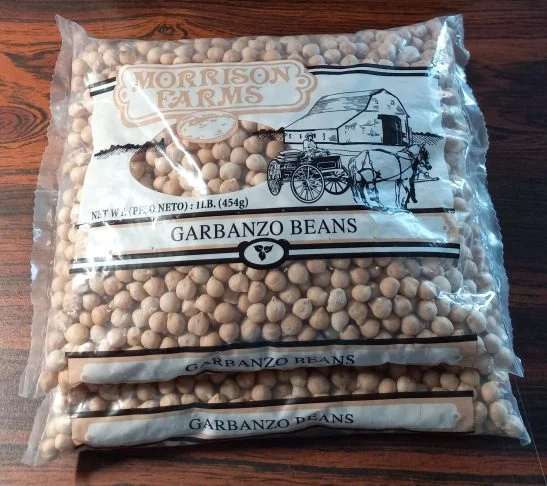
Two pounds of chickpeas arrived just as Anita had put them on her grocery list for canning. She noted that a different brand at Meijer cost $1.59 per pound, making the donated amount a useful offset to a planned purchase. The chickpeas still require work and equipment to turn into a shelf-stable pantry item, but the ingredient itself was covered.

That distinction matters when comparing a donated ingredient with a ready-to-use product: the food may be free, while preparation takes time and can involve supplies, energy and storage. In Anita’s case, the timing made the chickpeas especially welcome because she already intended to preserve them.

Convenience has value when utilities cost more
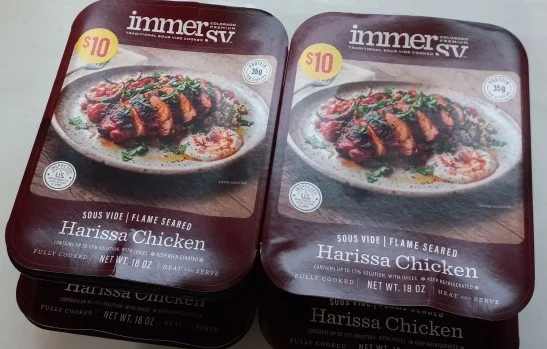
The food rescue also included four 18-ounce boxes of precooked chicken, with one breast in each. Anita estimated that each box could provide four portions of about 4.25 ounces. She had not tried the harissa flavor before and wasn’t sure she would enjoy it, but considered a precooked meal useful as utility bills rise. A heat-and-eat option can shorten cooking time; whether it suits a household also depends on taste, storage instructions and how it fits into meals.

The chicken was donated frozen. In a later exchange, Anita explained that some short-dated meat is frozen so it can be kept longer before donation. She tried one portion with sweet potatoes and beets. The seasoning wasn’t as hot as she had feared, but she didn’t like the flavor, so she planned to give the remaining portions and leftovers to her daughter’s family. Passing on food that doesn’t suit your taste can keep it useful instead of letting it sit uneaten.

Preserving 20 pounds of mandarins
The largest surprise was four bags of mandarin oranges, weighing 20 pounds in total. Anita said a bag normally cost $8.50. She found only one spoiled orange in each bag. In her experience, stores can’t sell produce when a bag contains a bad piece, so donated fruit can divert food from disposal while giving recipients a chance to use it.


Anita canned the mandarins, which shrink somewhat during processing, and ended up with 30 half-pint jars. Before putting them on the pantry shelves, she still needed to remove the rings, wash the jars and label them with dates. She expects to use about two jars a week, enough to last roughly three and a half months and, she hopes, until oranges become plentiful again in January.

She also described eating mandarins regularly after repeated kidney stones. After her stones were analyzed, she says she was initially prescribed citrate and asked whether food could be an alternative. She recalls being advised to eat half an orange at least twice a week to help prevent buildup of the type of calcium stones she formed. She says she hasn’t had another stone since adding mandarins to her routine.
That’s her personal experience, not a reason to change anyone else’s treatment. People with kidney stones should discuss diet and medication with a qualified health professional, since what helps can depend on the type of stone and a person’s health.
Canning takes more time than the processing step
The jars took sustained preparation. Anita let the oranges sit for 24 hours after separating them into sections, then spent about an hour removing strings and another half-hour washing jars and rings. Once her steam canner reached pressure, she processed the fruit for 15 minutes.
She distinguishes between high-acid foods and low-acid foods in her home-canning routine. She uses a steam canner for fruit, tomatoes, tomato sauces and pickles. For low-acid foods such as vegetables, beans and meat, she uses a pressure canner and follows pressure instructions for her elevation. For her chickpeas, she cited 10 pounds of pressure at her elevation and a processing time of 75 minutes once the canner reaches pressure.
The chickpea batch also requires time on either side of processing: Anita’s canner takes about 45 minutes to an hour to heat, then at least an hour and a half to cool. With her small pressure canner, she can usually manage one batch a day—10 pint jars or 12 half-pint jars. Steam or water-bath canning can allow more batches in a day when the ingredients and jars are prepared in advance.
Those timings are her account of her equipment and location, not universal canning instructions. Safe processing depends on the food, method, jar size and elevation, so anyone preserving food should use tested directions suited to the exact recipe and equipment.
For Anita, the week’s work was worthwhile because home-preserved food lets her choose how much salt and sugar goes into the jars and what ingredients she uses. The trade-off is clear: donated groceries can stretch a budget, but a large surplus asks for freezer space, canning supplies and many hours of work. A useful plan is to sort food quickly, share what your household can’t manage, and preserve only what you have time and equipment to store safely.