A Freezer Reset Turned Forgotten Scraps Into 20 Pints of Chicken Stock
Budgeting & Saving Anita 563 reads
A 30-minute freezer clear-out made room for rescued food and revealed months of scraps for stock, showing how a simple system can cut clutter and waste.
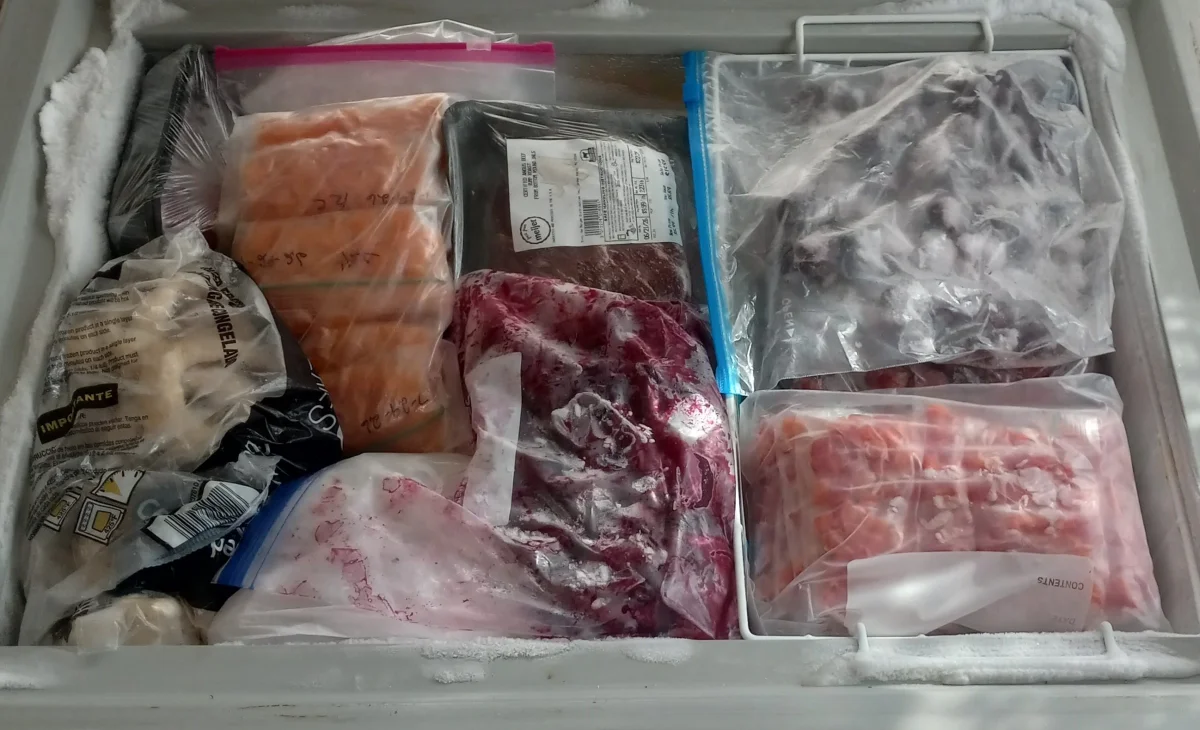
A crowded freezer can hide useful food in plain sight. After clearing and defrosting a small chest freezer, Anita found enough saved chicken bones and vegetable scraps to make 20 pint jars of stock, while creating space for food from an upcoming food rescue. The reset took about 30 minutes and made it easier to see what needed cooking or preserving.

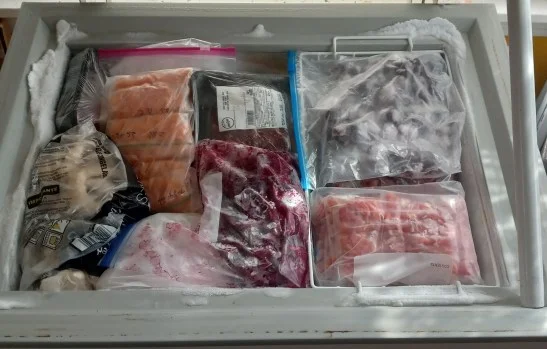
The chest freezer had become a holding place for food that was meant to be dealt with later. Anita had also been putting extra food in the refrigerator freezer to keep it from going to waste, leaving both appliances full and hard to use. Many items had already been cleaned, cut up and packed in portions; the problem was that they weren’t arranged in a way that made them easy to find.
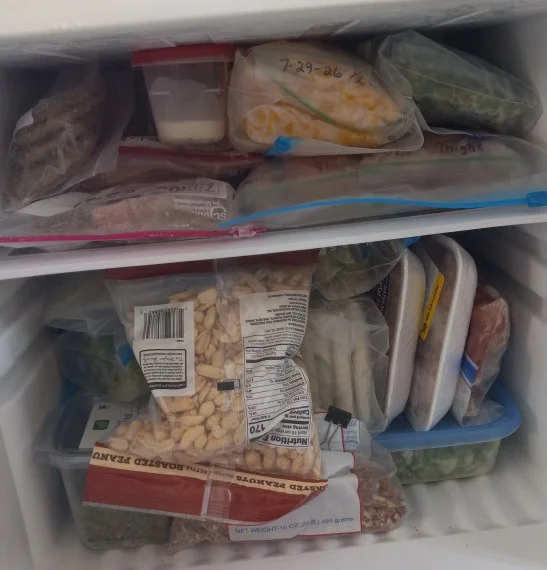
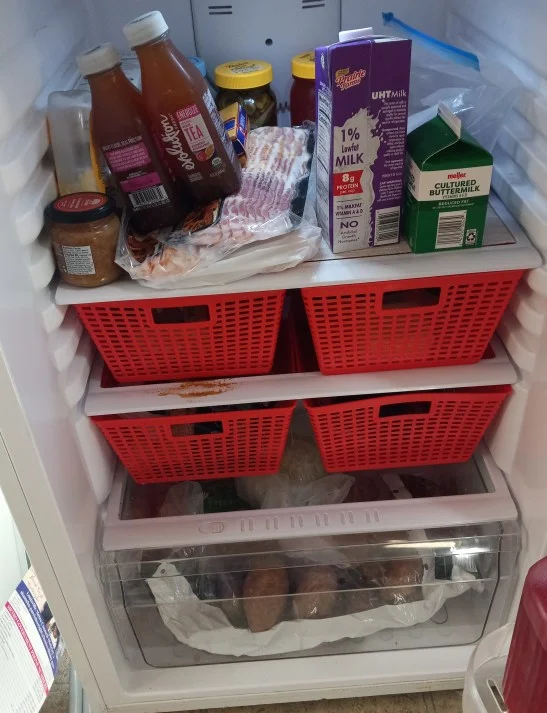
That distinction matters in a busy kitchen. Food can be stored carefully and still get overlooked if bags and containers accumulate without a clear place. A freezer tidy-up can turn vague intentions into a practical list: what can be cooked now, what needs canning or dehydrating, and what space is available for new food.

Start with food that can make space
Once the chest freezer was defrosted and sorted, Anita could see which items would free up room if she processed them. Cooler weather had made it comfortable to use a tabletop oven and a roaster. It was still too warm for her to do dehydrating, but she could work on canning.
She chose a whole chicken first. It had been given to her a couple of months earlier and had freezer burn on the legs, back and wings. She had planned to cook it using the tabletop oven’s rotisserie function, then changed course and baked it instead.


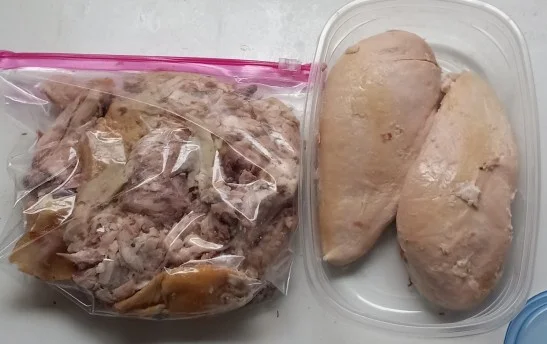
After cooking, she removed the edible meat, ate some for dinner and set aside the breast meat for chicken salad later in the week. She kept the skin and bones, too. That small choice connected dinner to the next batch of stock and meant fewer parts of the chicken went unused.
A freezer stash becomes a pot of stock
While clearing the freezer, Anita came across several snack-size bags filled with chicken bones and vegetable peels. She had saved them bit by bit for stock, but hadn’t realized how many bags had collected. The scraps represented at least six months of saving, and they had been taking up space without being easy to track.

She put the scraps into a roaster with the cooked chicken’s skin and bones, then added enough water to cover everything. The mixture cooked on low for 24 hours. After straining it, she returned the liquid to the roaster to heat while the water in the canner warmed. She also added a couple of pints of water to thin the stock so it could stretch across more meals.
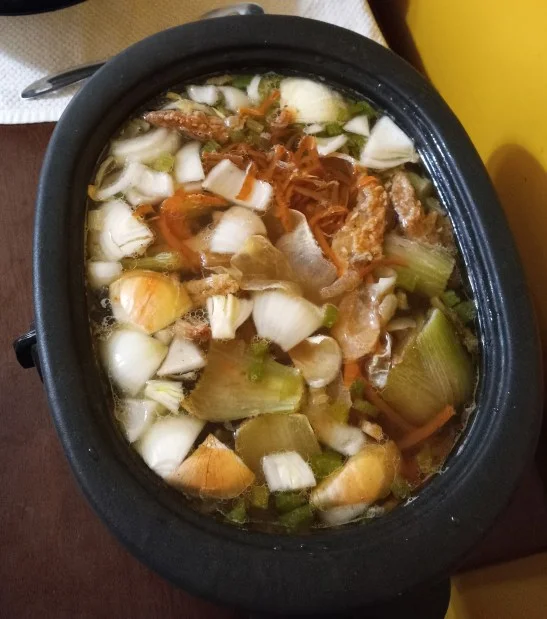
The result was two canner loads and 20 pint jars of stock. Anita expects that supply to last through the winter, using one jar a week. That’s a tangible payoff from saving scraps, but the method also shows why a visible storage system helps: several small bags can quietly become a large stash if there’s no regular check-in.

A dedicated, clearly marked bag or bin for stock ingredients can make the collection easier to notice and manage. It also gives scraps a defined destination instead of letting them mingle with other frozen food. A quick freezer review when adding new items can help households use older ingredients first and spot what needs attention.
Make the new space usable
After defrosting and reorganizing, the chest freezer looked full again, but Anita explained that bins beneath the trays used for flash-freezing made it appear more packed than it was. Those bins still had room for food from the planned drive-through food rescue. Knowing where that space was made the freezer more useful, even without a dramatic change in how much it held.
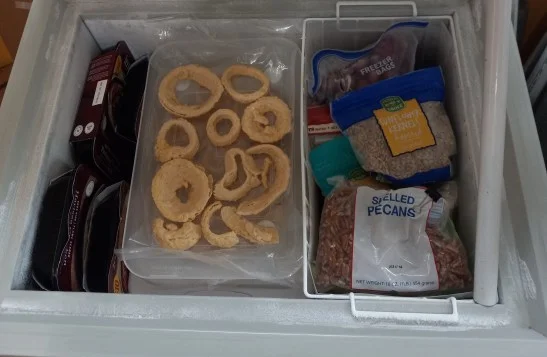
The reset also offers a modest, repeatable routine: clear and defrost when needed, group similar items, and keep a designated place for ingredients being saved for a future meal. Portioning and labeling can make stored food easier to identify, while a short inventory helps prevent forgotten bags from building up. The right setup will depend on the freezer and the household, but the aim is the same: make it easy to see what’s there and decide what to use next.
And there’s one more bit of freezer ingenuity in Anita’s note: she hides ice cream bars inside an old empty ice cream carton, or an empty spinach or broccoli bag. It’s a playful household trick, though the more practical lesson is that labels and consistent storage spots help everyone find food when they need it. A freezer that’s easier to read can make room for meals, ingredients and the next useful find.