A Mouse Problem Can Turn Pantry Savings Into Household Waste
Earning & Side Hustles Anita 966 reads
Mice damaged food and disrupted quilting plans, prompting a cleanup and a rethink of pantry storage, traps and entry points.

A few damaged packages can quickly turn a household food supply into a cleanup job. Anita had planned to quilt two charity quilt tops before Christmas, after ordering batting, but mice in her home changed the week’s priorities. Food was ruined, surfaces needed attention, and the quilting would have to wait.

The timing felt familiar: she says mice return to her house around this time of year. She suspects they may be searching for food and places to nest, though she doesn’t know how they’re getting inside. She also wonders whether nearby food waste may attract them. Whatever the route, finding droppings on her computer desk and food containers has made her wary of touching household surfaces. She says frequent handwashing has left her hands chapped.

Food loss can happen quickly
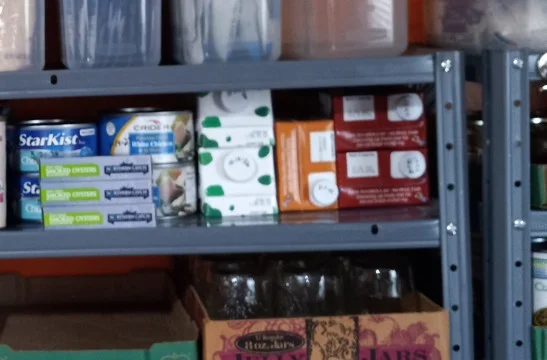
Her pantry appeared intact on Monday. By Tuesday, mice had damaged shelf-stable milk containers, leaving sour liquid and a strong smell on the shelves below. Chicken and beef stock were also lost. Two boxes of oven-ready lasagna noodles, bought the day before and not yet transferred to storage, were chewed through.

A partly used bag of Tim Hortons coffee beans was another casualty. The coffee had been a Mother’s Day gift from her grandchildren. Even though the mice appeared to have eaten only some of the beans, Anita couldn’t tell whether the rest had been contaminated, so she threw the whole bag away.

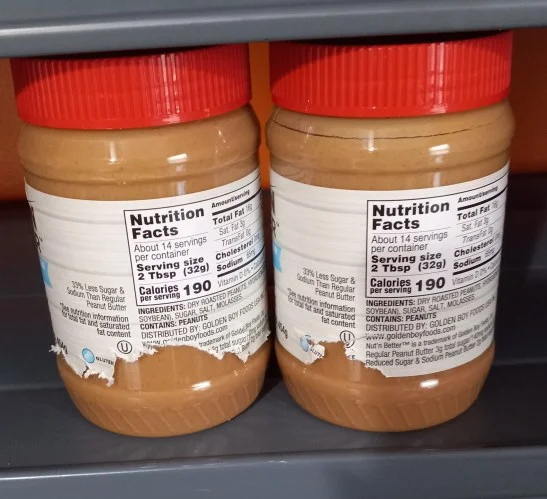
Some plastic containers had also been gnawed while holding peanut butter, but the mice moved on before getting through them. Anita’s observation is that mice may need an edge to grip with their teeth; the smooth jars may have been harder to start chewing than a cardboard box or bag.


Storage helps, but may not solve the entry problem
Anita already uses lidded plastic totes and keeps many foods in jars, which she has on hand because she cans food. A reader who had dealt with mice recommended putting anything not stored in a can or jar into thick plastic totes with snap-on lids. That approach can protect supplies and make it easier to keep track of what is in storage, but Anita’s experience is a reminder that containers can still be tested or damaged.

The same reader described using multiple snap traps nightly for a couple of weeks, then keeping a few set for mice that might return. They also suggested getting help to locate and close entry points. Anita said an exterminator had previously told her professional treatment could be costly and temporary, because new mice might follow scent trails into the house later.

Other suggestions included peppermint oil, caulk and steel wool for possible gaps. Anita replied that the access points she suspects are in places she cannot reach. She also worries that sealing visible openings may not account for every route. In her experience, mice may explore different parts of the house, including areas near the attic, heating ducts or dryer exhaust. These are possibilities she raised, not confirmed entry points in her home.
Traps bring their own practical concerns
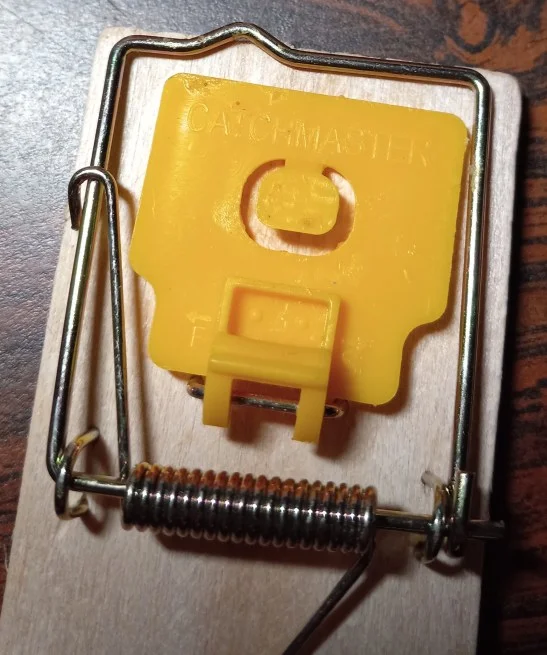
Anita set traps after finding the damaged food. One caught a mouse by the tail, but she was worried about being bitten. She hit it with a broom and moved it outside with a dustpan. By morning, the mouse was gone and the trap remained, so she wondered whether it had only been stunned. Other traps had lost their bait without triggering, and she planned to adjust them before trying again.
Readers shared different experiences with pets and traps. One said adopted kittens had caught mice; another recalled a dog getting a live mouse and glue trap stuck to its face. That mishap ended with the owner removing the trap and deciding not to use glue traps where the dog could reach them. Anita has decided against getting another pet, so a cat isn’t a fit for her household.
Poison is also not an option she wants to try except as a last resort. She is concerned that a mouse could die inside a wall and create another problem. A reader raised a separate concern: a poisoned mouse could be eaten by a cat or other animal outside. The exchange shows why a method that works for one home may not suit another; household pets, access to hidden spaces and the risk of an animal dying out of reach all matter.
Cleaning and replacing supplies come first
Saturday is Anita’s shopping day. She plans to buy disinfectant, cleaning supplies and more storage bins, then spend the next few days cleaning the affected areas and reorganizing food. For now, the quilting project is on hold. The immediate task is to clear the mess, protect what remains and keep checking the traps.
Her experience offers a practical reminder for anyone storing pantry goods: check packages regularly, move vulnerable items into sturdy lidded containers where possible, and consider both food cleanup and access points when mice appear. Anita is still trying to work out how they got in. For her, keeping food protected and the pantry clean is the next manageable step while she deals with the wider problem.