Leftover Harissa Chicken Gets a Second Life With Rice and Pantry Staples
Earning & Side Hustles Anita 636 reads
Brown rice, broth, vegetables and pantry seasonings turn leftover chicken into a filling meal, with a small slow cooker doing the work.
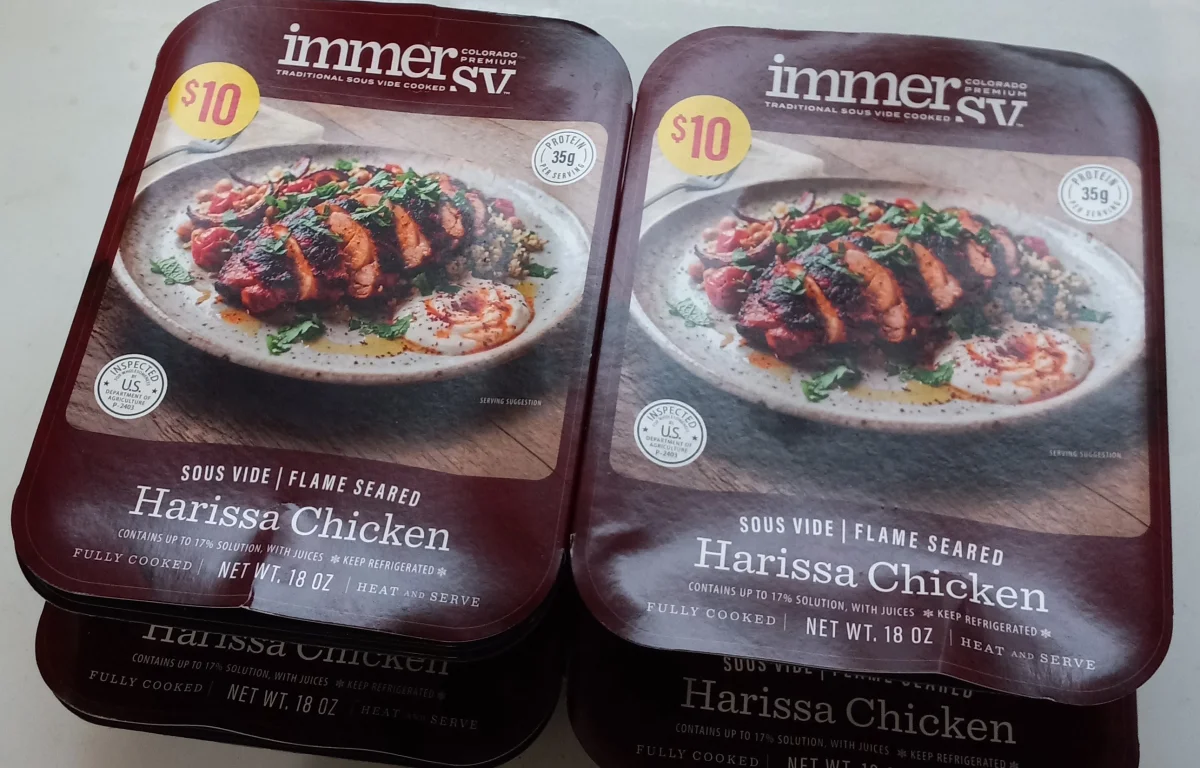
Leftover chicken doesn’t have to taste the same twice. When the original harissa seasoning wasn’t a favorite, adding rice, broth, vegetables and familiar spices gave the remaining chicken a new direction. It took most of a day in an older slow cooker, but the batch made dinner and lunch—and kept usable food from going to waste.

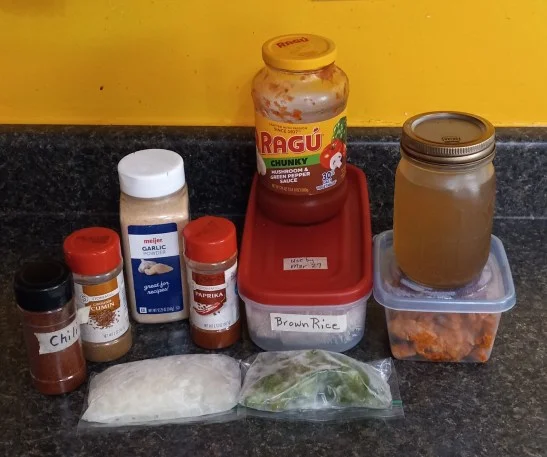
Build a new meal from what’s on hand
The starting point was about half a cup of brown rice, rinsed well to remove any field dust. It went into a 1.5-quart single-serving slow cooker uncooked, alongside leftover chicken, onions, bell peppers, garlic powder, paprika, cumin and chili powder. The seasonings weren’t measured; they were chosen to shift the flavor away from the harissa that hadn’t worked for the cook.
Around half a cup of leftover spaghetti sauce went in too. That small addition helped make use of another open container and added a familiar tomato flavor to the mix. The combination was improvised, so it’s better understood as a way to adapt a meal than as a set recipe with guaranteed proportions. The amount of chicken and vegetables wasn’t recorded, and the seasonings were added by feel.
The liquid came from a pint of chicken broth—two cups—that was in the refrigerator after it hadn’t sealed during a canning batch. The broth was added to provide enough cooking liquid for the rice. The account doesn’t specify the chicken’s starting temperature or how long it had been stored, so those details can’t be used to set a food safety timeline. For a similar meal, handle and store leftovers according to safe food handling guidance, and make sure the finished dish is thoroughly heated.

Allow for the slow cooker you have
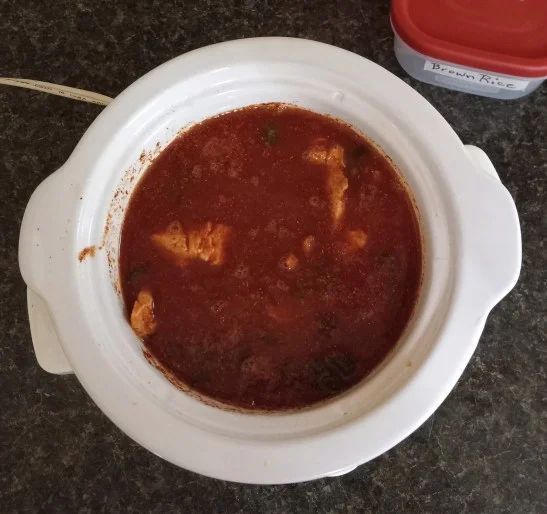
The cooker was set to high for five hours before the rice was checked. It still wasn’t done, so cooking continued for another four hours on high. The owner attributed the long time to the age of the cooker, which no longer heated as it once had. That experience is a useful reminder that an appliance’s setting doesn’t tell the whole story: cooking time can vary with the equipment, the quantity in the pot and the ingredients.
For this meal, checking the rice mattered more than following a fixed clock. If the grains are still firm, the dish needs more cooking; if the mixture looks short on liquid before the rice is tender, the cook may need to assess the texture and add liquid as appropriate. The account doesn’t give a tested liquid ratio or pressure-cooker timing, so it wouldn’t be responsible to turn these observations into precise instructions for another appliance.
Change the flavor, not the whole plan
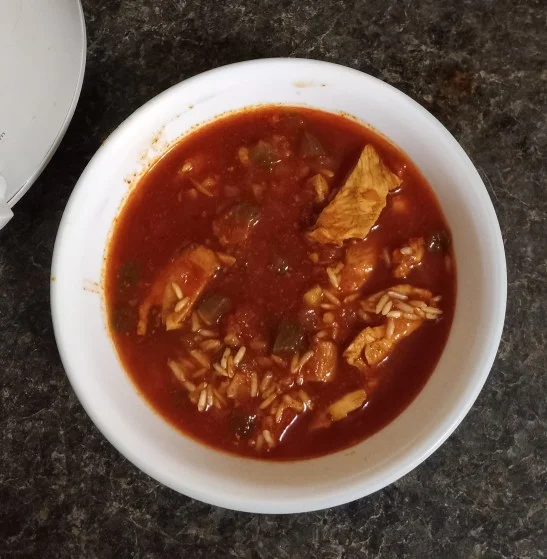
The finished dish tasted completely different from the original chicken. The cook liked it enough to eat a serving for dinner and keep the remainder for lunch the next day. That’s the practical win: ingredients that might otherwise have been discarded became a second meal, without requiring a shopping trip or a complicated recipe.
There’s a trade-off. An older slow cooker may need much longer than expected, and an improvised blend of leftovers won’t taste exactly the same from one batch to another. A smaller pressure cooker was the cook’s preferred choice for next time. In the discussion that followed, she described her appliances as a 1.5-quart slow cooker and a 3-quart Instant Pot Lux Mini. Those sizes suit modest batches, though the account doesn’t include a pressure-cooking version of the recipe.
For anyone adapting leftovers, the method is simple: choose a new flavor direction, add ingredients that fit it, use an appropriate cooking liquid for the rice, and check the food as it cooks. Small quantities make it easier to use what’s already in the refrigerator, while flexible seasoning lets an unwanted flavor become the starting point for something else. The best measure of success here was straightforward: the meal was enjoyed, lunch was covered, and the chicken didn’t go to waste.