Reusable Mouse Traps and the Math Behind a Pest-Free Pantry
Earning & Side Hustles Anita 521 reads
A reusable clothespin-style mouse trap costs more up front than wooden snap traps, but the numbers can work in your favor. Here's the breakdown.
Mice rarely feel like a money problem until they've spent a week in your pantry. Then the cereal bags are chewed, the flour has droppings in it, and you're tossing groceries you already paid for. That's why a cheap, reusable trap caught my attention. It looks like a small purchase, but it changes the cost of dealing with mice over the long run.
Why mice are a budget problem
Mice don't need much to settle in. A warm spot and some food are enough, and the breeding rate is the part that surprises people. The numbers I came across describe five to ten pups per litter, with a new litter about every 21 days, and females can breed again right after giving birth. Even if you only catch one or two mice, a single unnoticed pair can become a household problem within a season.
That's the reason I'd treat traps as a standing pantry item rather than an emergency purchase. Waiting until you see droppings usually means the mice have already found their way into food packaging. Replacing a few cereal boxes and a bag of rice costs far more than a couple of traps and a bottle of bait.
Old wooden snap traps versus the reusable clothespin style
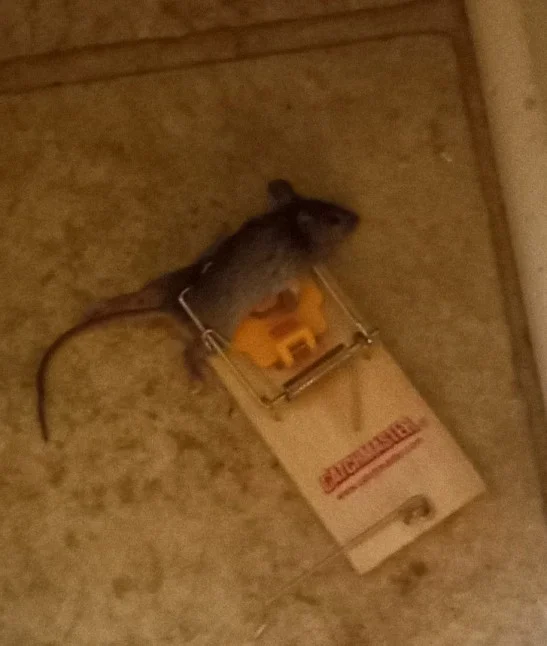
The traditional wooden spring trap is cheap per unit, but you pay for it every time it works. You throw away the trap after each catch, and you have to set it by hand, which carries a real risk of pinched fingers. Anyone who has stepped on one barefoot knows it's not a pleasant surprise.
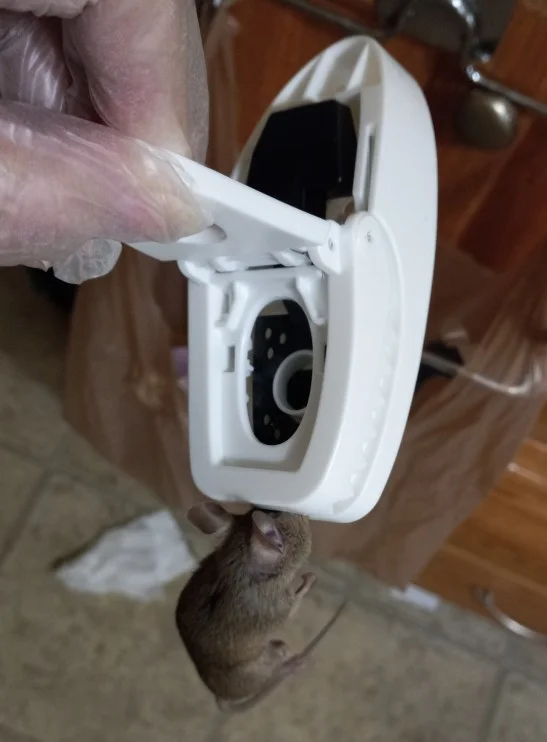
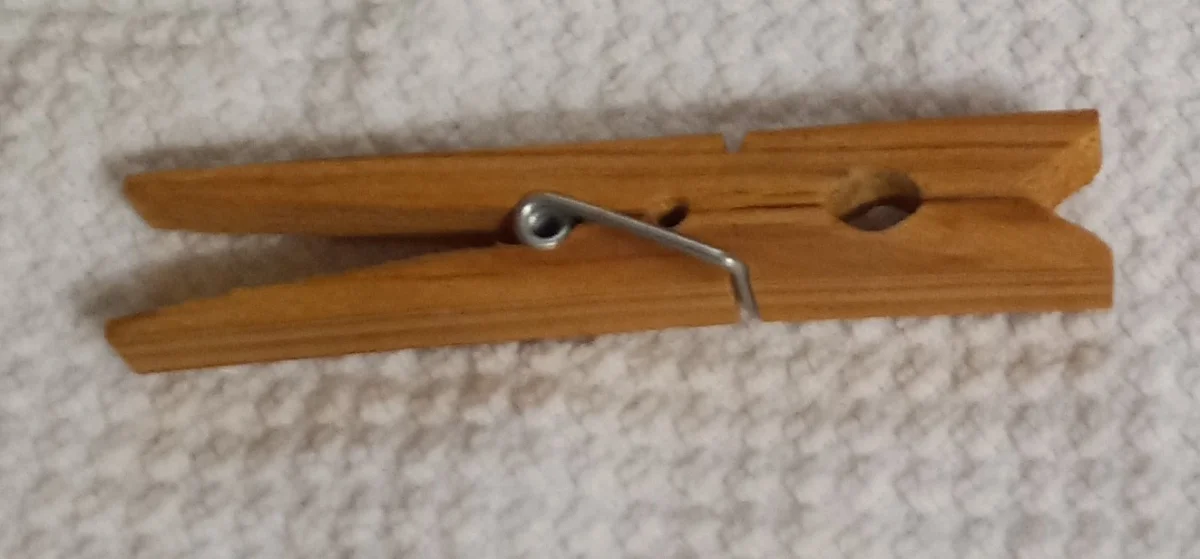
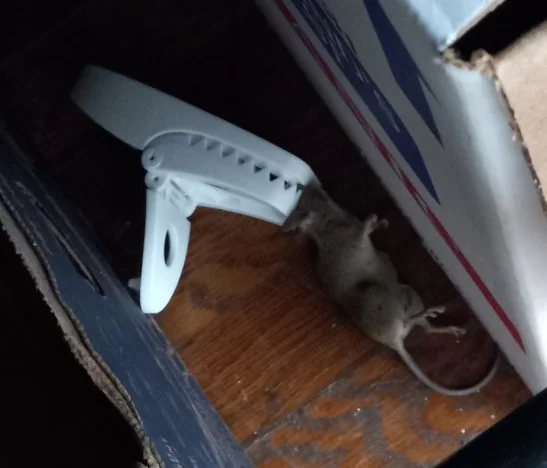
The newer design works more like a spring-loaded clothespin. The jaws open when you squeeze the handle, and you set the trigger without the snapping force that makes the old traps risky to handle. You also empty and reuse the same trap, so the cost is spread across many catches instead of paid again each time. Here's how I'd compare them:

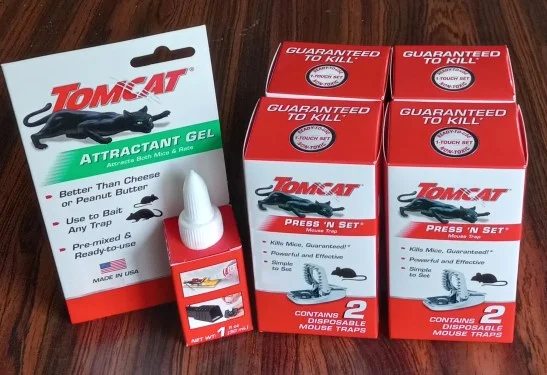
- Upfront cost: A box of two of the reusable style was listed at $6.47, which works out to about $3.24 per trap. The price of wooden traps wasn't part of my comparison, so check local prices before deciding.
- Ongoing cost: The reusable trap avoids buying a new trap after every catch. That's where the savings come from, and they grow the more mice you catch.
- Handling: The clothespin style is easier to set safely. You still need to empty it, but you don't need to touch the mouse much.
- Brands: Other brands make similar traps, and rat-sized versions exist too. The model I bought was simply the one in stock at the store I visited.
The bait: what it costs and how long it lasts
This is where the math gets less obvious. The bait came in a bottle priced at $4.49, and it's a gel that looks a bit like toothpaste. You only need a small drop on the trigger, so the bottle goes further than you'd expect. The catch is that the gel dries out. Left on a sink, a drop dries within a few days, and that's the same thing that happens inside a trap.

The guidance I'd follow is simple. Check the bait about once a week, and replace it roughly every two weeks for the best results. That's roughly 26 refreshes a year per trap, so the bottle's real cost depends on how much it holds and how many traps you run. I'd measure that yourself before assuming the bait is cheap or expensive.

A realistic setup might look like this: two traps, one at each spot where mice most likely get in, and a fresh drop of bait every two weeks. Place them where you can see them easily, because a visible trap is much quicker to check and empty before it starts to smell.
Who this setup suits, and who should be careful
This approach makes the most sense for households that keep a food pantry, live in older homes with gaps around pipes or cabinets, or have already dealt with a mouse problem and want to stay ahead of it. If you only see a mouse once a year, a single trap and a small bait purchase might be all you need, and you could skip the four-box stockpile I bought.
It's not the right fit for everyone. Spring-loaded traps, even the clothespin style, can still pinch skin, so keep them away from small children and pets, and place them where they can't be knocked into the wrong hands or paws. Also remember that these traps are a pest-control tool, not a guarantee. A single trap can't close off every entry point, and sealing gaps and storing food in sturdy containers will usually do more long-term good than any trap alone.
Sharing the cost and stocking the pantry
I bought four boxes, which is eight traps and about $25.88 before tax. I didn't know yet how well they'd perform, so I'm keeping the extra boxes in the pantry as backup rather than returning them. I've also offered one box to my neighbor, who has been dealing with mice too. If the local food bank reports mouse problems, I'll donate a box there as well.
The bigger lesson is that a few dollars of preparation can prevent a much larger loss. A pantry full of sealed containers, a box of reusable traps and a bottle of bait cost less than a single shelf of ruined groceries.
Try one trap for two weeks before you buy a stockpile. Track how many mice you catch, how often you refresh the bait and whether the traps are easy to empty. Those numbers will tell you whether the reusable trap is worth the upfront cost in your own kitchen.