Skip the Security Tray Habit That Cost Me a Smartwatch
Debt & Credit Clark Howard 614 reads
One loose smartwatch in an airport security tray taught me a lesson. Zip valuables into your bag before the belt, and keep the grimy bin out of it.
If you're flying during the Thanksgiving rush, or any other time of year, this small change to your airport routine is worth making. I learned it the hard way, and I'd rather you didn't.
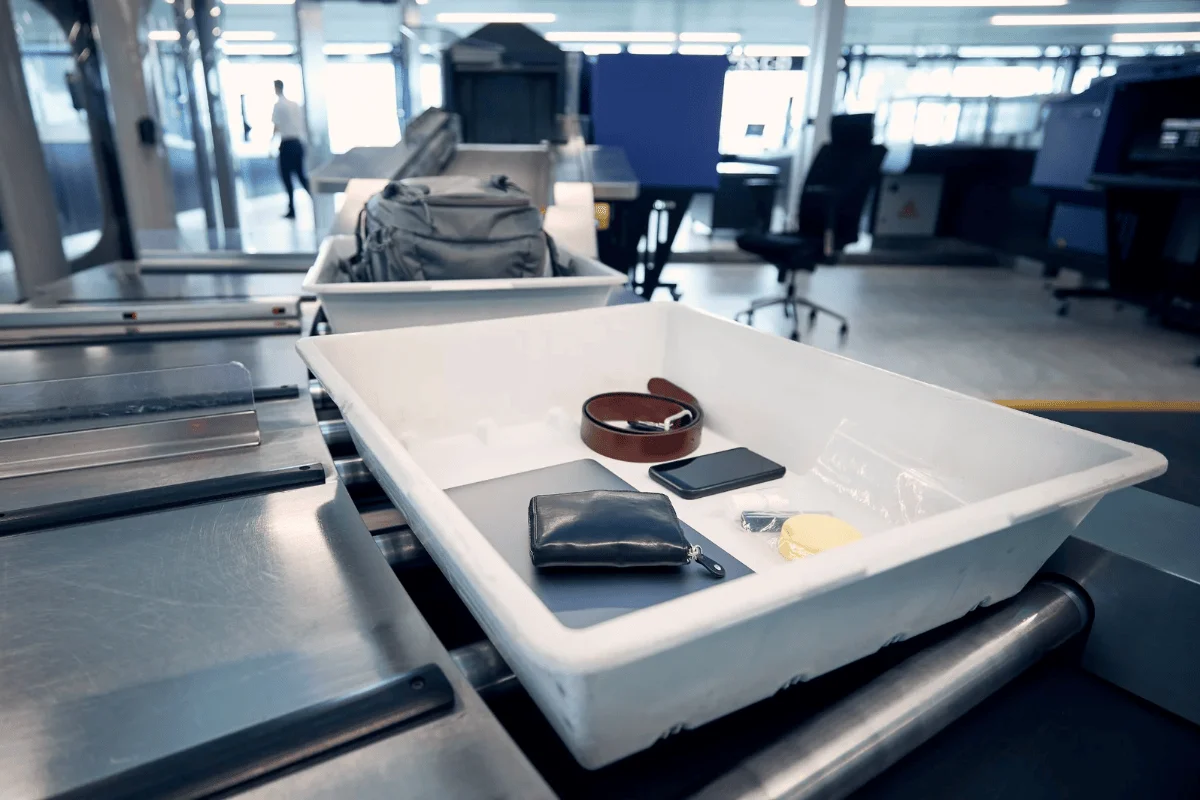
For years, my checkpoint routine was the same. I'd toss my phone, watch, wallet and anything else in my pockets into the plastic bin, slide it forward, walk through the scanner and wait on the far side for everything to reappear. It felt efficient. It also meant my valuables spent several minutes sitting out in the open, in a line of strangers' bins.
Eventually that habit caught up with me. My phone and wallet came through fine. My smartwatch didn't. It was the only thing I lost, and it was a reminder that small, valuable items on an open tray are an easy target.
Pack Your Valuables Before You Reach the Belt
These days, I deal with my valuables before I get to the front of the line. Phone, wallet, watch, keys: everything comes off my body and goes into a dedicated zipped pocket inside my backpack. I do it while I'm still standing in the queue, when my hands are free and nothing is moving yet.
That small shift does two things for me.
- It cuts down on theft risk. When a line backs up or a bag gets pulled for a second look, loose items on a tray are exposed. Something zipped inside a bag isn't visible and isn't within easy reach of a passing hand.
- It makes the other side easier. Once I've cleared the scanner, I'm not hunting around a pile of loose gear while people push past. I grab one bag, and everything is where I expect it.
There's a trade-off, though. If your phone is also your boarding pass, keep it in an easy-access pocket rather than buried at the bottom of a pack. You'll still need to show it at the checkpoint, so zipping it away too deep just creates a different annoyance. Likewise, if you're carrying a lot of gear, packing everything before the line takes a few more minutes. For me, that's time well spent. If you're the type who likes to travel light and move fast, you might find a single jacket pocket works just as well.
The Tray Itself Isn't Clean
There's a second reason to keep personal items out of those bins, and it has nothing to do with theft. Think about how many people set shoes, dirty bags and all sorts of other things into those trays every day. They don't get wiped down between travelers as a matter of course, so the surface is only as clean as the last person's luggage.
That matters more for a phone than for almost anything else you carry. It's the object you hold against your face, press to your ear and touch constantly throughout the day. Setting it directly on that grimy plastic and then picking it back up is a habit worth breaking, even if nothing gets stolen.
My read is that this is an easy fix. You don't need special gear. A zip pocket in your carry-on does the job, and so does a small pouch for your watch and keys. What matters is that the tray only ever holds what you're required to put in it, and your valuables stay in your bag until you're on the other side.
A Simple Routine to Try on Your Next Trip
If you want to adopt this habit, here's the routine I follow:
- Before you enter the security line, empty your pockets and take off your watch.
- Zip your phone, wallet, keys and watch into a dedicated pocket inside your carry-on.
- Keep your boarding pass or phone accessible so you aren't digging for it at the front.
- Place only what the checkpoint asks for into the tray, and nothing personal.
- Once you're through, put everything back on before you walk away from the belt.
It takes a few trips to make it automatic. After that, it's the kind of habit you stop noticing, which is exactly the point. Pack first, then queue up, and leave the bin for the things that actually belong in it.