Why Clark Howard Thinks I Bonds Are Worth a Look Right Now
Budgeting & Saving Clark.com Staff 858 reads
Clark Howard calls today's I bonds a strong deal for savings you can leave alone for a year or more. Here's how the rate works and what to watch.
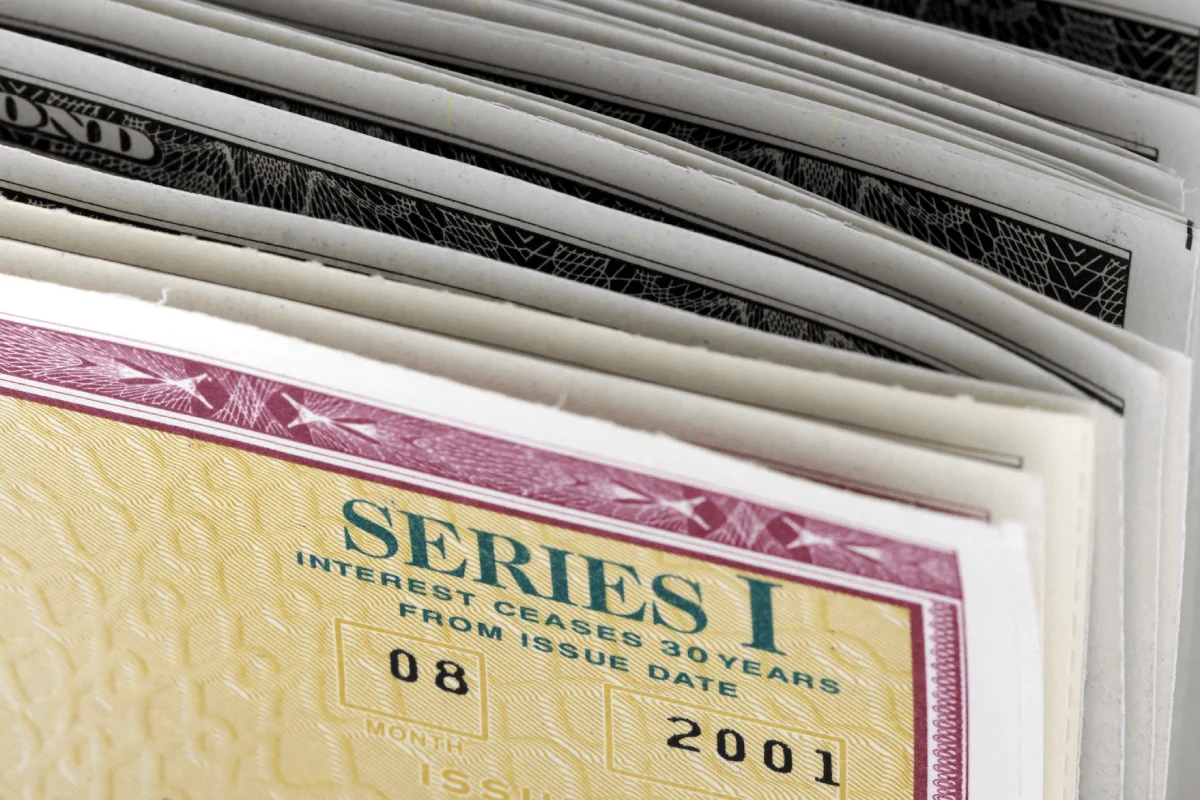

Money expert Clark Howard has been talking up Series I savings bonds since the 1990s, and he thinks the ones on sale now deserve a close look from anyone with cash they can set aside for at least a year. Bonds bought through April 30, 2027, carry a combined rate of 5.51%. That's a high number for a product this simple, and it's the main reason his enthusiasm is back.
“I bonds are the best deal they’ve been in, gosh, 25-plus years,” Clark says.
How the Rate Is Built
The "I" stands for inflation, and that's a useful hint about how these bonds work. Each I bond earns two rates added together. The first is a fixed rate, set on the day you buy, and it stays with that bond for as long as you hold it. The second is an inflation rate that the Treasury resets every May and November, based on the Consumer Price Index.
For bonds issued from November 1, 2026 through April 30, 2027, the fixed rate is 1.40% and the combined rate is 5.51%, according to TreasuryDirect. The fixed rate was 0.90% for the six months before that. Per the same source, 1.40% is the highest the Treasury has set on new I bonds since 2006.
Clark's excitement centers on that fixed piece. He calls it "a bonus for buying them that stays fixed for years and years to come," paid on top of whatever inflation does. As he put it, "So just for breathing, you earn 1.4%."
Here's the thing to keep straight: the 5.51% is a snapshot. A bond you buy today earns that combined rate for its first six months. After that, the inflation portion resets with prices, while the 1.40% keeps getting added for up to 30 years. So the total you earn will move over time, even though the fixed slice doesn't.
Clark goes further in his read: "What you earn on them over the next 30 years is the 1.4% plus whatever the rate of inflation is at that point. So you're essentially guaranteed to always earn more while you own them than the rate of inflation." I'd treat that as his view of the structure rather than a promise. The fixed rate is locked in, but the inflation component depends on what prices actually do.
His broader point is about inflation itself. Clark describes it as "a tax on the typical American working person," the thing that leaves you with less to show for a bigger paycheck. For people with savings sitting in a low-yield account, I bonds are one way to try to keep pace with rising prices.
What You Give Up
I bonds come with rules a regular savings account doesn't have, and Clark is clear about them. This is not the place for your emergency fund.
- You can't cash in an I bond during the first 12 months.
- If you cash in between one and five years, you forfeit the last three months of interest. For example, if you redeem after 18 months, you collect 15 months of interest.
- After five years, there is no penalty for redeeming.
- Each person can buy up to $10,000 in electronic I bonds per calendar year, with a minimum purchase of $25.
- Interest is exempt from state and local income tax. You can defer federal income tax until you redeem the bond or it stops earning.
The one-year lockup doesn't bother Clark much, mainly because the cost of leaving after that is small. "Let's say the economy changes and they're not really a deal anymore," he said. "You can sell them at any point from one to five years and forfeit the last 90 days' interest."
That trade-off is the core of the decision. The lockup means I bonds suit money you won't touch soon. If you might need the cash within a year, the bond is the wrong tool. If you can wait, the penalty for changing your mind is a few months of interest, not the loss of your principal.
Working Out the Purchase Limit
The $10,000 cap applies per person per calendar year, and the current rate runs through April. That combination creates room for a bit of planning. You could buy up to $10,000 before December 31, then another $10,000 between January 1 and April 30, all at the 1.40% fixed rate. Because those two windows fall in different calendar years, one person can put in up to $20,000 across them.
Scale that up and a couple can invest up to $40,000 at the current rate. Keep your own timing in mind, though. Buying in late December and again in early January spreads the purchase across two limits, which matters if you're trying to deploy a larger sum quickly.
A Reminder if You Bought in the 1990s
I bonds stop earning interest 30 years after they're issued. The Treasury first sold them in September 1998, so the oldest bonds reach that milestone in 2028. Clark is watching that date for his own holdings.
"I own some that I bought back in the '90s that are about to hit 30 years," he said. A bond that reaches 30 years without being redeemed keeps its value but stops growing. "From that point forward, I earn nothing," Clark said. "Nothing, not a penny."
If you're sitting on bonds from that era, this is worth checking now rather than later. Log in, find the issue dates, and mark the 30-year point on your calendar. Clark's blunt version: "Remember to redeem them when you hit those 30 years, because nobody's going to tell you."
Buying I Bonds
I bonds are sold only through TreasuryDirect.gov. You open an account, link a bank account and buy electronically. New purchases are not issued as paper bonds.
Clark admits this takes more effort than opening a savings account at your bank. "If you're willing to do the extra work, look at putting your money in Series I savings bonds," he said. If you're not comfortable managing an online account, that friction is a real cost, and it's fair to weigh it against the rate.
Who This Suits
I bonds aren't a fit for everyone. They're most useful for savings you can leave alone, especially money you won't need in the next year and that you want to protect from losing purchasing power. They're less useful for money you'll need for a near-term bill, a down payment on a short timeline, or an emergency cushion.
They also aren't investing. Clark is firm on that point: "Putting money in an I bond is not investing. It's a method of saving, and it gives you a way of knowing that inflation isn't eating your money up, because you're kicking past inflation." Think of them as a place to park cash that's meant to hold its value, not as a way to grow wealth quickly.
The combination of a 1.40% fixed rate and inflation-linked adjustments is what makes today's offering stand out in Clark's view. Watch the next reset in May, because the inflation half will change, and check your own older bonds before the 30-year mark arrives.